
Tile Installation in Homestead, FL
Excellent on 
★ 5.0 out of 5 based on 10 reviews
Tile Installation in Homestead, FL
GXG Remodeling installs tile for kitchens, bathrooms, showers, patios and floors across Homestead, Leisure City, Florida City, Princeton, Naranja, and every other city we serve in South Miami-Dade. In this part of Florida, tile is a practical choice as much as a style one: it handles humidity, spills and heat, and it is easy to clean. The work that decides whether it lasts is mostly invisible, so this page walks through what happens under and between the tiles.
Why Tile Work Is Different in South Dade
Many Homestead-area homes are concrete block (CBS) construction on a slab. That gives tile a stable base, but slabs are rarely perfectly flat, can hold moisture, and often carry old tile set in thick mortar. Constant humidity also means a shower or an outdoor patio is wet for much of the year. Add hurricane-season storms, and details that look fine on day one, such as a poorly sloped patio or an unwaterproofed shower, show up as failures later.
Shower Waterproofing Comes First
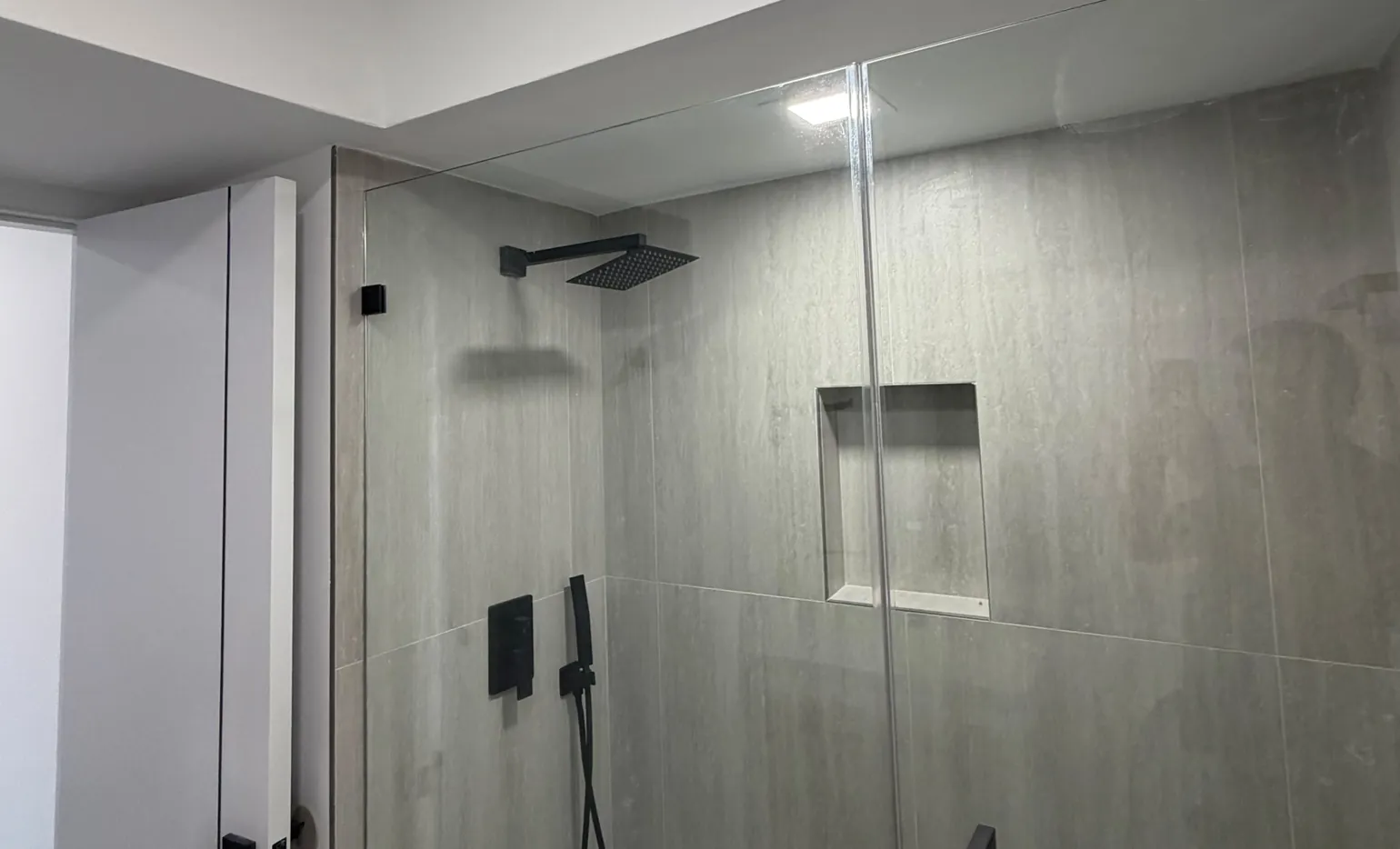
Tile and grout are water-resistant, not waterproof. Water gets through grout lines, so the shower needs its own waterproofing behind the tile. Industry guidance calls for a bonded waterproof membrane that meets ANSI A118.10, applied over a sound, properly prepared substrate. After the pan is built, a flood test confirms it holds water before tile hides it. The Florida Building Code, Plumbing, requires the water to stay at least 2 inches deep for at least 15 minutes with no leakage, and many membrane manufacturers call for longer tests, often 24 hours, so follow the data sheet for the system used. Ask any contractor which membrane they use and how they test.
Mosaics, Linear Drains and Shower Floors
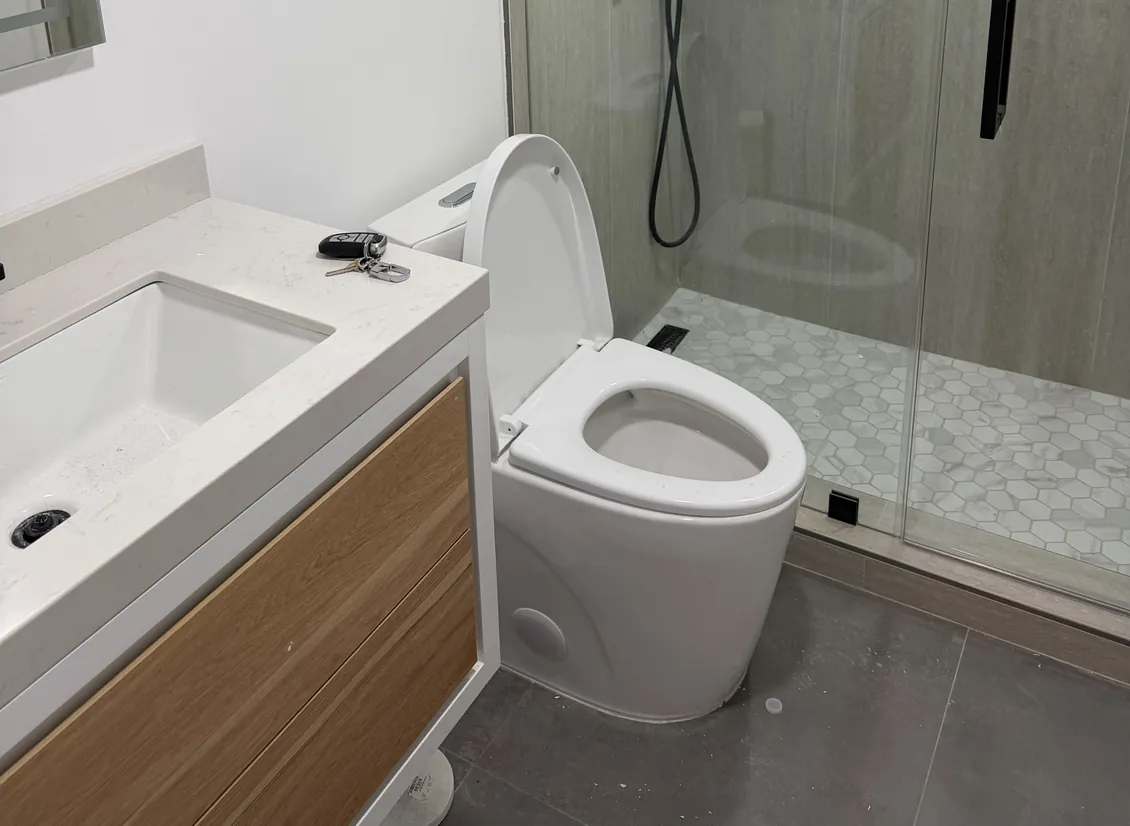
Small mosaic tile has many grout lines, which helps grip underfoot and follows the slope of a shower floor easily. A linear drain moves the slope to one direction instead of four, which makes larger floor tile possible and gives a cleaner look, but the pan has to be sloped and waterproofed to suit the drain. Confirm drain and slope details before ordering tile.
Large-Format Porcelain and Floor Flatness
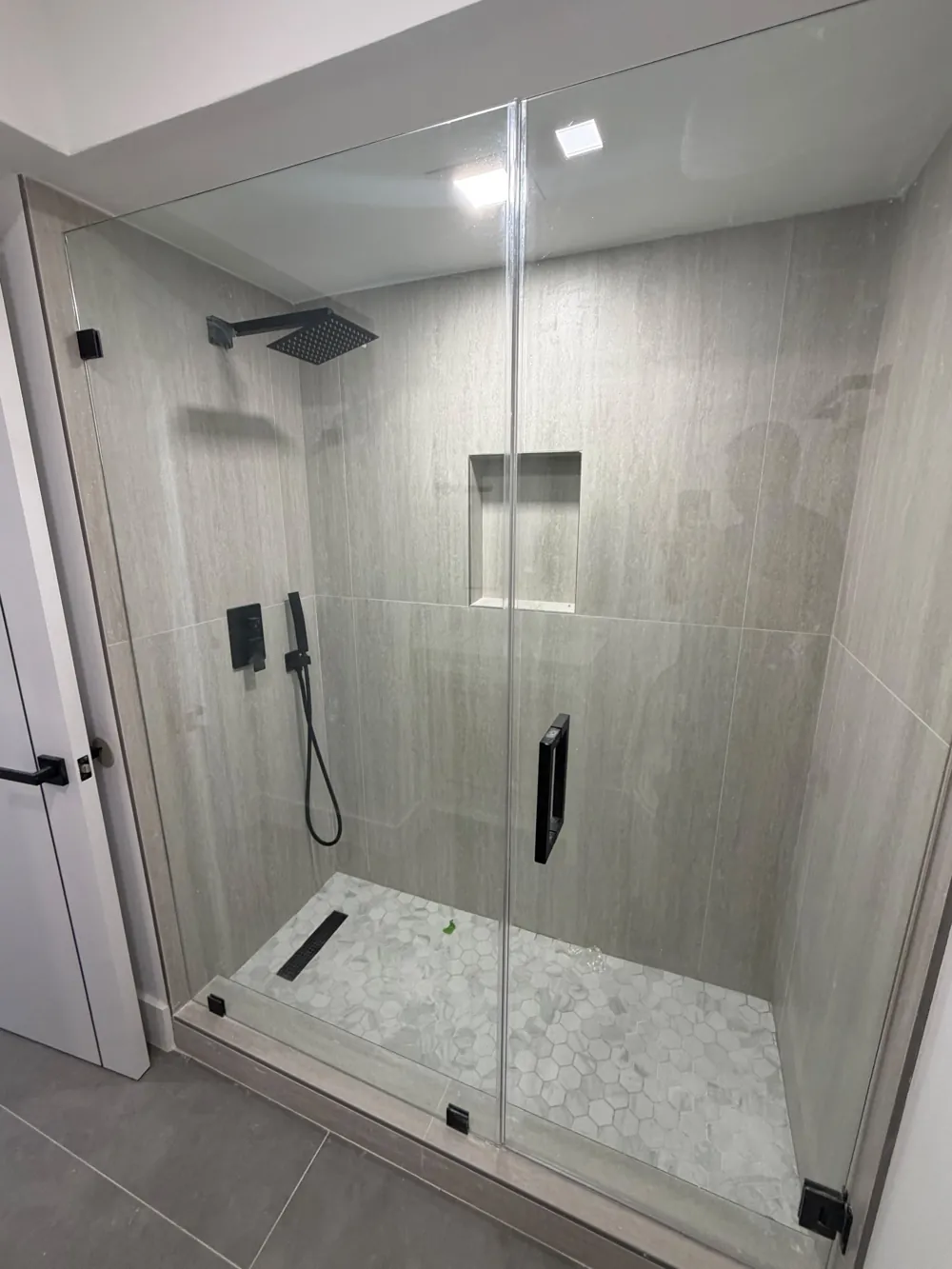
Large-format tile, meaning any side longer than 15 inches, shows every dip in the floor as an uneven edge. The TCNA Handbook recommends a flatter substrate for it, with no more than 1/8 inch variation in 10 feet and 1/16 inch in any 24 inches. On a CBS slab that can mean grinding high spots or patching low ones first. It also needs the right mortar and full coverage underneath so corners do not sound hollow or crack. General industry ballparks for large-format porcelain run about $16 to $28 per square foot installed, an estimate that moves with prep.
Grout Choices
- Cement grout: lower cost, easy to work with, needs sealing and can stain in a damp shower
- Epoxy grout: better stain and moisture resistance, harder to install, usually costs more
- Caulk, not grout, at corners and where tile meets tub or glass, so movement does not crack the joint
Backsplash, Patio and Outdoor Tile
Backsplashes are the quickest tile project and use small amounts of material. They are covered on the kitchen remodeling page and pair well with new countertops. Outdoors, slip resistance matters. ANSI A137.1 sets a minimum wet DCOF of 0.42, and wet barefoot areas such as pool decks call for more, so ask the supplier for the DCOF of the exact tile and choose a textured finish. Outdoor tile also needs proper slope for drainage and setting materials made for exterior use.
Tile Installation Cost in Homestead, FL
General Industry Ballpark
$7 to $28 per sq ft
A general industry ballpark for education, not a GXG quote. Your exact price depends on tile type, square footage, prep and layout complexity. Request a free estimate for pricing specific to your project. Every project is custom.
Ceramic tile (per sq ft)
$7 to $15
Porcelain tile, installed (per sq ft)
$12 to $22
Large-format porcelain (per sq ft)
$16 to $28
Natural stone (per sq ft)
$18 to $35+
These ranges are general industry ballparks, shown for education only, not a GXG quote. Every project is custom, so your real price comes from a free estimate.
These are estimates, not a quote, and prices vary with materials, the season and the scope of the work. The only way to get an accurate number is a walkthrough. Call (786) 724-5571 or request a free estimate.
A single room usually falls between $1,200 and $5,000, with a small bathroom around $1,200 to $3,500 and a kitchen floor or backsplash around $1,800 to $5,000. Tile removal is often quoted separately. Costs are estimates and vary with materials, season and scope. See the full cost breakdown, and for whole-room numbers, bathroom remodel costs.
What's Included
- Floor and shower tile installation
- Kitchen backsplash and accent wall tile
- Surface prep and waterproofing where needed
- Layout planning to minimize visible cuts
- Grouting and a final walkthrough
When Tile Is the Wrong Fix
- Cracked tile over a cracked slab: tile will crack again unless the cause is addressed
- A leaking shower: new tile over a failed pan hides the problem, so the pan or membrane needs repair
- Floors that stay wet from leaks or moisture: fix the source first (see water damage repair)
- A floor that is far out of flat: large tile needs leveling first, or a different material may suit better (see flooring installation)
- A single chipped or loose tile: a repair can cost far less than a retile
Permits and Local Rules
Miami-Dade County's permit exemption list includes surfacing floors with tile in single-family homes and buildings of up to four dwelling units, and the exemption still requires the work to meet the Florida Building Code. Rebuilding a shower pan, moving plumbing or replacing wall board and backer behind tile is a different scope. Which rule applies depends on whether your address is in unincorporated Miami-Dade or inside a city with its own building department. Confirm your scope with the right department before work starts.
Questions to Ask Any Contractor
- What waterproofing system will go in the shower, and will the pan be flood tested?
- How do you check floor flatness, and what happens if the slab is out?
- What mortar and coverage will you use for large-format tile?
- Epoxy or cement grout, and why?
- Are tile removal, disposal and prep in the written estimate?
- Who confirms permit requirements with the building department?
Our Process
- Free in-home estimate and tile selection
- Surface prep and waterproofing where needed
- Layout planning to minimize visible cuts
- Tile set, leveled and grouted
- Final walkthrough before we call it done
Frequently Asked Questions
How much does tile installation cost in Homestead, FL?
As a general industry ballpark, not a GXG quote, general market ranges are about $7 to $15 per square foot installed for ceramic, $12 to $22 for porcelain, $16 to $28 for large-format porcelain and $18 to $35 or more for natural stone. A single room commonly lands between $1,200 and $5,000. These are estimates, and prices vary with materials, season and scope, especially the prep the floor needs. See the full tile cost guide. Every project is custom, so your real price comes from a free estimate.
Do I need a permit to replace tile in Miami-Dade County?
Miami-Dade County's list of permit exemptions includes surfacing floors with tile in single-family homes and buildings of up to four dwelling units, but an exemption does not excuse work from meeting the Florida Building Code. Rebuilding a shower pan, moving plumbing or replacing wall board and backer behind the tile is a different scope. Rules differ between unincorporated Miami-Dade and cities such as Homestead and Florida City, so confirm your exact scope with the building department that covers your address. We check this before starting a job.
Does shower tile need to be waterproofed first?
Yes. Grout and tile are not waterproof by themselves, so a shower needs a waterproofing layer behind the tile, such as a bonded membrane or liquid-applied membrane, with the pan tested for leaks before any tile goes on. The Florida Building Code, Plumbing, calls for at least 2 inches of water held for at least 15 minutes with no leakage, and many membrane makers specify longer. The industry standard for bonded membranes is ANSI A118.10. Ask any contractor which system they use and whether they flood test the pan.
Is large-format porcelain harder to install?
It is less forgiving. The TCNA Handbook recommends tighter flatness for large-format tile (sides longer than 15 inches), generally no more than 1/8 inch variation in 10 feet and 1/16 inch in any 24 inches, so floors often need leveling first. It also needs full mortar coverage and careful handling. Ask any contractor how they check flatness and coverage.
What tile is safe for a patio or pool deck?
Look for tile rated for exterior use with a textured finish. ANSI A137.1 sets a minimum wet dynamic coefficient of friction (DCOF) of 0.42 for level interior tile expected to be walked on wet, and many pool-deck guides suggest aiming higher for barefoot, wet areas. Ask the tile supplier for the DCOF value of the exact tile.
Epoxy grout or cement grout in a humid climate?
Cement grout is cheaper and easier to work with but needs sealing and can stain or mildew in damp showers. Epoxy grout resists stains and moisture better but is harder to install and usually costs more. Ask any contractor which they recommend for your shower and why.
Do you need a license to install tile in Florida?
Florida law does not let counties or cities require a license for tile installation by itself, and the state does not issue a tile-specific contractor license. Work around the tile, such as plumbing, electrical or structural changes, is regulated separately. Ask any contractor what is covered by their insurance and who handles the related trades.
Can new tile go over existing tile?
Sometimes, if the old tile is sound, fully bonded, clean and flat enough for the new tile. It also raises the floor height, which can affect doors, transitions and appliances. Hollow-sounding, cracked or loose tile usually needs to come out. We judge this on site.
What are common shower waterproofing mistakes?
Common ones include relying on grout and tile alone, leaving gaps at corners, niches, seams and pipe penetrations, applying a liquid membrane thinner than the data sheet calls for, skipping the cure time and skipping the flood test. Ask any contractor how they handle each of these.
How long does waterproofing need to dry before tiling?
It depends on the product, the number of coats and the conditions. Liquid-applied membranes are usually applied in more than one coat, and each product's technical data sheet states the coverage, the number of coats and the wait before tile goes on. Follow the manufacturer's instructions for the specific system, and ask your contractor which one they use.
How long does tile installation take?
A backsplash is often a day or two. A bathroom floor or shower usually runs a few days including cure time between steps, and large floors take longer. Waterproofing and flood testing add days, and your written estimate should state the schedule for your job.
A single backsplash or a full floor, we give you a written estimate up front. Call (786) 724-5571 or request a free estimate to get started. Tile is part of most remodels. See bathroom remodeling and kitchen remodeling for the full scope.

Our testimonials say
What Homestead Homeowners
Are Saying
5.0 out of 5, based on 10 reviews
"GXG Remodeling repainted our whole exterior and it held up perfectly through the first rainy season. Clean job site, showed up on time every day."


"We had our kitchen cabinets painted instead of replaced and they look brand new. Saved us thousands and the crew was professional start to finish."

"Fast, honest, and the price matched the written estimate exactly. Would call GXG again for our next project."

"Professional from the first call to the final walkthrough. Our home looks brand new."
"Great communication throughout the whole project and the crew cleaned up every day before leaving."
"Would recommend GXG to anyone in Homestead looking for quality work at a fair price."