
How Much Does Tile Installation Cost in Homestead, FL?
Excellent on 
★ 5.0 out of 5 based on 10 reviews
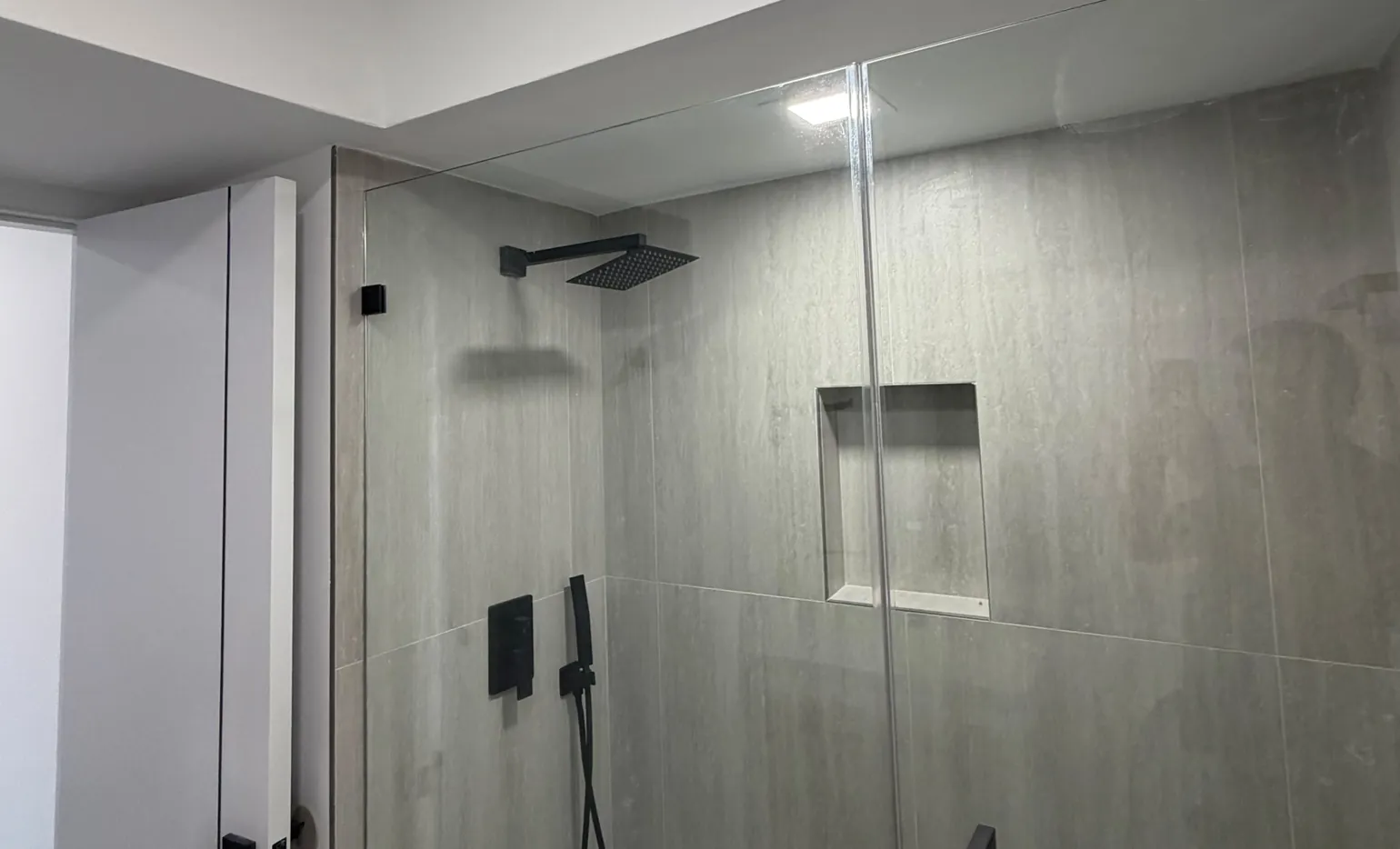
- Tile Installation
-
GXG Remodeling

-
26 Sep 2026
How Much Does Tile Installation Cost in Homestead, FL?
Tile pricing depends more on material choice and layout complexity than most homeowners expect. This guide breaks down real cost ranges by material and by room, based on South Florida market ranges.
Typical Cost Range
General Industry Ballpark
$1,200 to $5,000
A small bathroom floor comes in at the lower end. Natural stone, large-format tile, or a full kitchen floor push it higher. The ranges below break down why.
Cost by Tile Material
Material is the single biggest lever on a per-square-foot basis, installed.
Ceramic$7 to $15 per sq ft
Porcelain$12 to $22 per sq ft
Large-format porcelain$16 to $28 per sq ft
Natural stone$18 to $35+ per sq ft
These ranges are general industry ballparks, shown for education only, not a GXG quote. Every project is custom, so your real price comes from a free estimate.
Cost by Room
Here's what a typical project runs by room, with mid-range material.
Small bathroom floor$1,200 to $3,500
Kitchen floor$1,800 to $5,000
Kitchen backsplash$600 to $2,000
Shower surround$1,500 to $4,500
Whole-home flooring (1,200+ sq ft)$9,000 to $20,000+
Labor vs Material: Where the Money Goes
Published cost guides disagree on the split, which is a useful warning in itself. Reported labor-only rates for standard ceramic or porcelain on a flat floor run roughly $5 to $10 per square foot (EstimationPro, RUBI), with a reported Miami-area labor range of about $7 to $14 per square foot (TilePro Calculator). Labor is commonly reported at about 35 to 70 percent of an installed price. These are typical reported ranges from outside sources, not GXG quotes. The figures in the tables above are the ranges we work from around Homestead.
Material price is only part of the bill. Thin-set, grout, backer or membrane, trim, and disposal all sit on top of the tile itself, so a cheap tile on a floor that needs leveling can cost more installed than a mid-priced tile on a flat slab.
What Actually Drives the Price
- Tile material and size: larger, heavier tile takes more time to set and level
- Pattern complexity: herringbone or diagonal layouts need more cutting than a simple grid
- Room shape: cutting around drains, corners, and fixtures in a bathroom takes longer than an open floor
- Subfloor condition: leveling or repair before tile goes down adds to the total
- Demolition: pulling up old tile and mortar is its own line item (see below)
- Waterproofing: showers and wet areas need a membrane system before any tile is set
Why Subfloor Condition Matters
An uneven or damaged subfloor needs to be leveled or repaired before tile goes down. Skipping that step is the most common reason tile cracks or grout lines fail within a year or two. We check subfloor condition as part of every quote, so leveling work, when needed, is accounted for upfront rather than turning into a surprise mid-project.
In South Florida most floors are concrete slab. A slab should be flat, clean of curing compounds and old adhesive, and checked for moisture. Industry sources describe two common moisture tests, ASTM F2170 (in-slab relative humidity) and ASTM F1869 (calcium chloride), and Florida slabs are exposed to high moisture vapor and heat. Slab cracks and minor movement can telegraph through tile, so the Tile Council of North America points to crack isolation membranes that meet ANSI A118.12. Whether your slab needs a membrane or a moisture treatment is a judgment made on site, and it affects price, so ask about it.
Large-Format Tile and Lippage
Large-format tile (any edge over 15 inches) is popular for 24x48 porcelain and wood-look planks, and it is where installation problems show up fastest. The commonly cited TCNA guideline is a substrate flat to within 1/8 inch in 10 feet, with no more than 1/16 inch variation in any 24 inches. Large-format tile also calls for 95 percent mortar coverage rather than the 80 percent used for smaller tile in dry areas.
Lippage is the height difference between neighboring tile edges. For grout joints under 1/4 inch, the allowable lippage cited by industry sources is 1/32 inch plus the tile's own warpage. Rectified, tightly spaced tile shows lippage more, so flat prep and a leveling system matter. Expect higher labor for large-format, which is why the table above lists it separately.
Grout Choices and Humidity
- Cement grout: lowest cost and easiest to work with, usually needs sealing, and is the type most likely to stain or darken in humid or wet areas. Reported cure is about 24 hours before light use and 48 to 72 hours to full cure, longer in humid conditions.
- Epoxy grout: stain and moisture resistant and a common choice for showers and kitchens. It costs more and is less forgiving to install, so labor is higher. Reported waiting time is at least 24 hours before water exposure, with full cure reported anywhere from a few days to two weeks depending on the product.
- Always follow the manufacturer's data sheet for the product actually used. Cure times vary by product, temperature, and humidity, so treat the numbers above as typical reported ranges.
Showers and Old Tile Removal
Tile is not waterproof in a shower; the waterproofing layer behind and under it is. A shower needs a proper membrane or waterproof system, correct slope to the drain, and a flood test where appropriate before tile is set, and that work is a big part of shower pricing. We cover shower and bathroom budgets in our bathroom remodel cost guide.
Removing old tile is usually quoted separately. Published guides report roughly $2 to $7 per square foot for tile removal, with heavy mortar beds and disposal at the higher end (Homewyse, SuperMoney, HomeAdvisor). Tile set in a thick mortar bed can also reveal slab damage or an uneven surface that has to be fixed before the new tile goes down.
Waste, Ordering and Delivery
Order more tile than the room's square footage. A commonly cited overage is about 10 percent for a straight layout, around 15 percent for diagonal, and up to roughly 18 percent for herringbone, with more for rooms with many cuts or alcoves. Calculator sites report these figures; your installer should confirm the number for your layout. Keep a box of spares from the same lot, because later boxes can differ slightly in shade.
During hurricane season (June through November), supply chains and installer schedules can tighten, and special-order tile can take longer to arrive than stock tile. We do not have a fixed lead time to quote because it depends on the tile and supplier, so confirm availability and the delivery date in writing before you schedule demolition, and do not pull up a working floor until the tile is on site.
Common Problems and Complaints
- Cracked tile: the causes tile industry sources report most are substrate movement, thin-set voids under the tile, and missing movement joints. Diagonal cracks over a slab often point to slab movement. Tile lifting into a ridge points to a lack of expansion joints.
- Hollow sound when tapped: this indicates a void under the tile. It is a coverage problem, not a cosmetic one. A few isolated tiles can be repaired; widespread hollow spots are worth raising with the installer.
- Uneven floor or lippage: usually an unflat substrate or tile warp. It is easiest to prevent with prep and a leveling system, and hard to fix after the tile is set.
- Grout cracking or discoloring: often tied to floor flex, early wetting, or grout choice in a humid space.
None of these is a reason to avoid tile. They are reasons to ask what the installer plans to do about the substrate, mortar coverage, and movement joints before the job starts.
How to Compare Quotes
- Get the quote in writing, with square footage and the measurements used
- Look for separate lines for demolition, floor prep or leveling, waterproofing, material, labor, and disposal
- Check whether tile, thin-set, grout, and trim are included or left to you
- Ask how the slab or subfloor will be checked, flattened, and, if needed, treated for moisture or cracks
- Ask what grout is included and whether a sealer is part of the price
- Ask who handles ordering, overage, and delivery timing
- Be cautious of a quote far below the others, since missing prep is the usual reason
Reported prices vary widely. Miami-area guides range from about $5 to $16 per square foot (Fitoria) and $7 to $14 for labor alone (TilePro Calculator), while national sources such as Homewyse report $16.79 to $20.73 per square foot for a full floor install. Use them as context only; the written quote for your room is what counts.
Permits & Timeline
Straightforward tile installation over an existing subfloor is cosmetic and doesn't require a Miami-Dade County permit. If it's part of a larger remodel involving plumbing or layout changes, that broader project may need one. A standard bathroom floor usually takes 1 to 2 days; a kitchen floor or larger space typically runs 3 to 5 days, longer if subfloor repair is needed first. Allow extra time before heavy use or water exposure for the thin-set and grout to cure.
Frequently Asked Questions
How much does tile installation cost in Homestead, FL?
As a general market ballpark, not a GXG quote, tile jobs commonly fall between $1,200 and $5,000 for a single room, depending on tile material and square footage. A small bathroom typically lands between $1,200 and $3,500. A kitchen floor or backsplash usually runs $1,800 to $5,000. For context, published national and Miami-area guides report anywhere from about $5 to $16 per square foot for standard tile up to $15 to $30 and more for premium material, so your own number depends on what is under the tile as much as the tile itself.
What is a fair price for tile installation?
A fair price is one written after someone has measured the room and checked the floor, and that lists demolition, prep, material, labor, and cleanup as separate lines. Published guides report installed prices of roughly $7 to $15 per square foot for budget ceramic and $15 to $25 for standard porcelain, but those are typical reported ranges, not quotes.
What's the cost difference between ceramic, porcelain, and natural stone tile?
As a general industry ballpark, not a GXG quote, ceramic is the most budget-friendly option, typically $7 to $15 per square foot installed. Porcelain runs $12 to $22 per square foot installed and holds up better to moisture and wear. Natural stone and glass tile run highest, often $18 to $35 per square foot or more, due to material cost and more careful handling.
Is porcelain or ceramic better for Florida?
Porcelain is usually the safer pick for humid areas, showers, and floors. Under the ANSI A137.1 standard, porcelain is ceramic tile with a water absorption of 0.5 percent or less, while standard ceramic absorbs more water. Ceramic still works well for backsplashes and low-moisture walls.
Why does labor cost so much of a tile job?
Layout, cutting, and leveling take real time, especially around drains, corners, and fixtures in a kitchen or bathroom. Pattern complexity, like a herringbone layout or a large-format tile that needs precise leveling, adds labor time beyond a simple grid pattern. Published guides put labor at roughly 35 to 70 percent of an installed price, depending on the source and the job.
Why is large-format tile more expensive to install?
Tiles with any edge over 15 inches need a flatter floor (the TCNA guideline is no more than 1/8 inch in 10 feet), more thin-set coverage (95 percent), and careful leveling to avoid lippage, which is one tile edge sitting higher than its neighbor. That means more prep and slower setting.
Can you tile directly over a concrete slab in Florida?
Often yes, but the slab has to be flat, clean, and checked for moisture first. Slabs can pass moisture vapor, and small cracks and movement can telegraph into tile, so many installers use a crack isolation or uncoupling membrane. Whether yours needs one depends on the slab, which is why we look at it before quoting.
Why is my tile cracking or sounding hollow?
The usual causes reported by tile industry sources are a subfloor or slab that moves, thin-set that left empty voids under the tile, and missing movement joints. Hollow-sounding tile means there is a void under it. A single hollow tile may be repairable, but several suggest a coverage or substrate problem that is worth having someone look at.
How much extra tile should I order?
A common rule is about 10 percent extra for a simple straight layout, around 15 percent for diagonal, and up to roughly 18 percent for herringbone, plus more for rooms with many cuts. Confirm the number with your installer, and keep a few spare tiles because dye lots change.
Do I need a permit to install tile in Miami-Dade County?
No, straightforward tile installation over an existing subfloor is cosmetic work and doesn't require a permit. If tile work is part of a larger remodel that changes plumbing or the room's layout, that broader project may need one.
How long does tile installation take?
A standard bathroom floor usually takes 1 to 2 days. A kitchen floor or a larger living space can take 3 to 5 days, and that timeline extends further if the subfloor needs leveling or repair before tile can go down.
Does the subfloor affect the cost?
Yes. An uneven or damaged subfloor needs to be leveled or repaired before tile goes down, and skipping that step leads to cracked grout or loose tiles later. We check subfloor condition before quoting so there aren't surprises once we start.
A national tile calculator doesn't know your subfloor condition or the layout you actually want. The only estimate worth planning around is one written after someone has measured your room. See our tile installation work or call (786) 724-5571 for a written, no-obligation estimate.
Choosing between tile and other floors? See flooring installation and the flooring cost guide.

Our testimonials say
What Homestead Homeowners
Are Saying
5.0 out of 5, based on 10 reviews
"GXG Remodeling repainted our whole exterior and it held up perfectly through the first rainy season. Clean job site, showed up on time every day."


"We had our kitchen cabinets painted instead of replaced and they look brand new. Saved us thousands and the crew was professional start to finish."

"Fast, honest, and the price matched the written estimate exactly. Would call GXG again for our next project."

"Professional from the first call to the final walkthrough. Our home looks brand new."
"Great communication throughout the whole project and the crew cleaned up every day before leaving."
"Would recommend GXG to anyone in Homestead looking for quality work at a fair price."