
How Much Does Drywall Repair Cost in Homestead, FL?
Excellent on 
★ 5.0 out of 5 based on 10 reviews
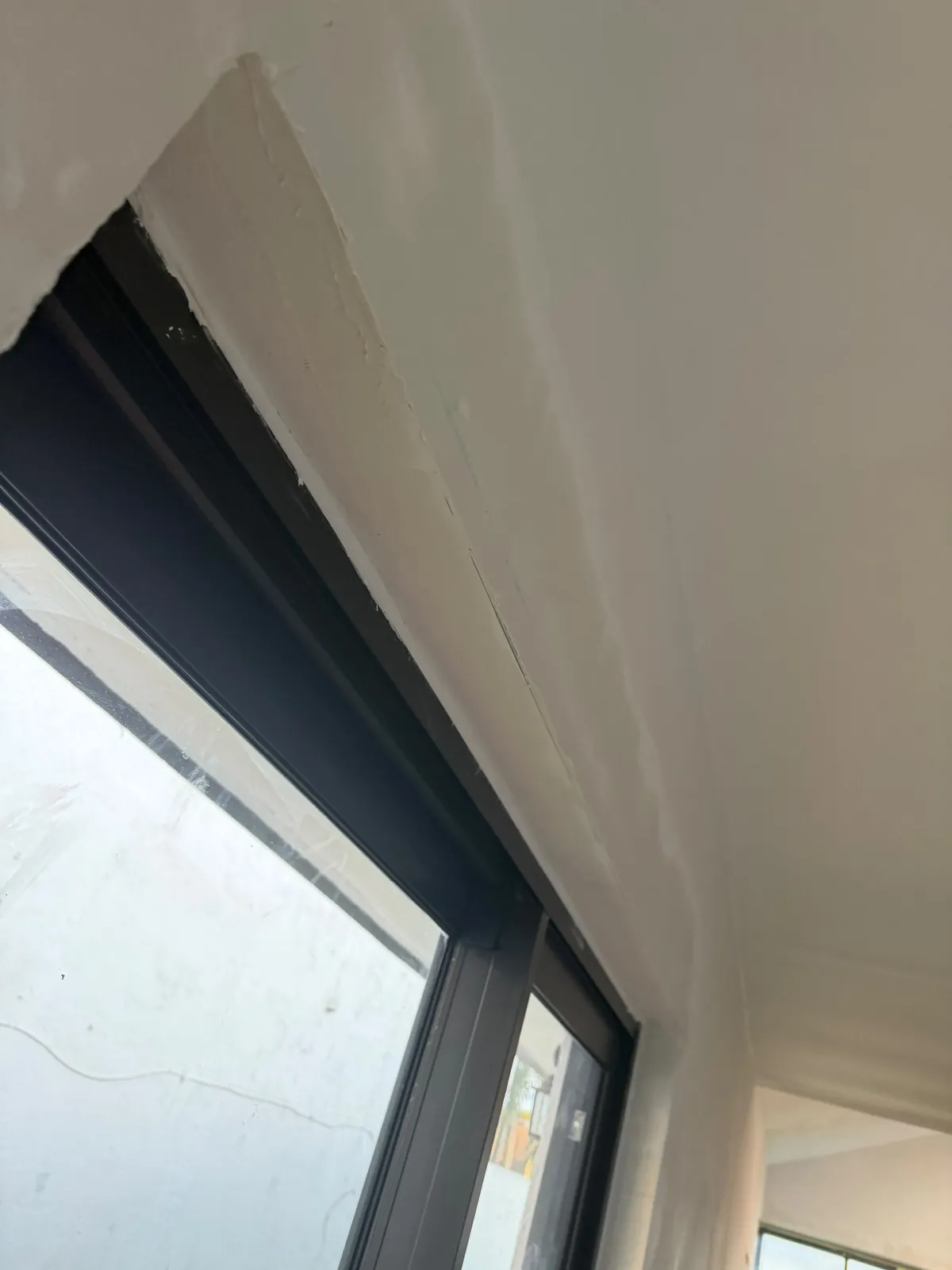
- Drywall Repair
-
GXG Remodeling

-
30 Sep 2026
How Much Does Drywall Repair Cost in Homestead, FL?
Drywall repair pricing depends mostly on damage size and whether texture or water damage is involved. This guide breaks down real cost ranges from a small patch to a full section replacement, based on South Florida market ranges.
Typical Cost Range
General Industry Ballpark
$150 to $1,200
A small hole patch lands at the low end. Ceiling repair, texture matching, or water damage push it toward the higher end.
Cost by Damage Type
Small hole (doorknob dent, nail pop)$150 to $350
Larger hole or damaged section$350 to $700
Crack repair$300 to $800
Ceiling repair$400 to $1,500+
Full room re-drywall$1,200 to $3,000
These ranges are general industry ballparks, shown for education only, not a GXG quote. Every project is custom, so your real price comes from a free estimate.
Textured Walls Cost More to Match
A smooth-wall patch just gets sanded flat and painted, but a textured wall, like knockdown or orange peel, needs the repair blended into the surrounding texture by hand. That extra step is why textured repairs typically cost more per square foot than an equivalent smooth-wall patch, and why matching an older home's original texture sometimes takes more than one attempt to get right.
New Drywall Installation Cost
If a room needs full new drywall rather than a repair, whether from extensive damage or as part of a larger remodel, that typically runs $1.50 to $3.50 per square foot installed and finished, depending on the finish level and how much furring or framing work is involved underneath.
Is It a Leak or Normal Wear?
Discoloration, a soft or sagging spot, or a musty smell usually point to a water source rather than an impact dent or a settling crack. Patching over an active leak without fixing the source just means paying for the same repair again later, so we check for that before quoting any job that looks like it might be water related. If a leak has already happened, see water damage repair for who to call first and what the rebuild involves.
Safety First: Sagging or Bulging Ceilings
A ceiling that sags, bulges, or drips is holding water, and wet drywall is heavy and can let go without warning. Do not stand or walk under it, keep children and pets out of the room, and call a professional to assess it. If the stain is near a light fixture or fan, turn off that circuit at the breaker and have it checked before using it. We are not going to give step by step instructions for opening a loaded ceiling yourself, because that is where people get hurt.
Check Moisture and Cut Back Far Enough
Touch is not a reliable test. A pin or pinless moisture meter lets you compare the damaged area against a reading from a dry wall in the same room, and the repair should not be closed up until the framing and the surrounding board read like that dry baseline. Restoration and university extension guides (for example NDSU Extension on flood-damaged walls) say the same thing: the wet area is usually larger than the visible stain, because moisture wicks upward and sideways.
How far to cut depends on the damage. Board that is soft, crumbling, or sagging comes out. Board that is only stained but firm and dry can often be sealed and primed instead. For wall damage from standing water, restoration sources commonly describe cutting about 12 to 18 inches above the highest visible waterline. For a ceiling leak, the cut is normally squared off and carried back to firm, dry board, then to the nearest framing member so the new piece has something to fasten to.
Insulation, Mold, and Moisture-Resistant Board
If insulation above or inside the cavity is wet, it should come out and be replaced, since wet insulation holds moisture against the framing and the new board. Visible mold is a separate issue: in Florida, mold assessment and remediation are licensed work, so large or recurring growth is a job for a licensed specialist, not a patch and paint. In bathrooms and other wet rooms, ask about paperless, mold-resistant gypsum board (a fiberglass-faced board that gives mold less paper to feed on) for the replacement piece. It is not waterproof and it does not replace fixing the leak or running the exhaust fan.
Screw Pops and Cracks From Humidity and Settling
Not every bump or crack is a leak. Screw and nail pops happen when framing lumber shrinks or shifts and the fastener backs out, pushing a small bump through the paint. The Gypsum Association and drywall tool makers both list lumber moisture and shrinkage as a leading cause, and seasonal humidity swings and loose or too short fasteners add to it. Hairline cracks at corners, door heads, and joints often come from the same movement, or from a house settling slowly. The proper fix is to re-seat or replace the fastener, recoat the compound, and spot prime, not just paint over the bump. If a crack keeps reopening, is wider than a hairline, or shows up with sticking doors, that is a reason to have someone look at the cause rather than keep patching.
Matching Texture: Knockdown, Orange Peel, or Smooth
Texture is where many patches give themselves away. A smooth wall needs the repair feathered wide and sanded flat. Orange peel and knockdown are sprayed or applied over the repair after the compound is dry and primed, and the pattern size, density, and flattening have to match the surrounding wall, not just be added around the edge. Older homes can have hand-applied or unusual patterns that take a test patch or two before they look right. If you are unsure which texture you have, ask us to look at it in raking light before anyone sprays anything.
Stain-Blocking Primer and Why Patches Flash
Water stains bleed through ordinary paint, so a stained area needs a stain-blocking primer before the finish coat, and the stain should only be sealed once the area is confirmed dry and the leak is fixed. Separately, new joint compound is more porous than painted drywall, so it absorbs paint differently and can show as a dull or shiny rectangle, which painters call flashing. Primer over all new compound evens that out.
Even with good primer, paint on a patch rarely matches an older, sun-faded wall exactly. That is why we often recommend painting the full wall, or the full ceiling plane out to a natural break such as a corner or crown, instead of just the patch. It costs a little more paint and time and avoids a visible blotch under raking light.
After a Hurricane: From Roof Patch to Permanent Repair
After a storm, a tarp or temporary roof patch stops more water from coming in, but it is a stopgap. The usual order is: have a roofer make the roof watertight and do the permanent roof repair, let the ceiling and framing dry out and confirm that with a meter, take photos and keep records for any insurance claim, and only then repair the drywall, texture, and paint. Rushing the interior before the roof is properly fixed risks doing the ceiling twice. We do not handle roofing or emergency water extraction, and we are not giving insurance advice here.
Small Patch: DIY or Call a Pro?
A small patch is one of the more doable DIY repairs, but it is easy to do it badly. Here is an honest read.
- Good DIY candidates: nail holes, a doorknob dent, and a small hole on a smooth wall. Difficulty is low to moderate; the hard part is sanding flat and priming, not the patching.
- Think twice: textured walls and ceilings. Matching texture and avoiding flashing is the most common reason DIY patches stay visible.
- Call a pro: anything overhead and larger than a small patch, any soft, sagging, or stained area, anything near wiring, and any repair where the cause is unknown.
- Call a pro first, not a patch kit: suspected mold, repeated cracks, or a ceiling that sags.
What Moves the Price: Ceiling Height, Texture, and Access
- Ceiling height: high or vaulted ceilings need scaffolding or taller staging, which adds setup time
- Texture: knockdown, orange peel, or an unusual older pattern takes more steps than a smooth finish
- Access: furniture to move and protect, stairs, tight rooms, or a patch over a stairwell all add time
- Hidden scope: wet insulation, framing that needs attention, or a leak source that is not yet fixed
- Paint: whether the quote includes priming and painting the full wall or ceiling, or only the patch
National cost guides publish different averages, and they often bundle different scopes, such as a single patch versus a whole ceiling, or repair with and without paint. The ranges in the table above are general market ballparks for the Homestead area. When you compare any quote to a published average, compare the scope first: size, ceiling height, texture and whether paint is included.
Worked Example: A Ceiling Leak Patch
This is an illustration, not a quote. Say a roofer has fixed a small roof leak and the ceiling meter reads dry. A bedroom ceiling has a stained, slightly soft section about two feet by three feet. The repair would be: cut out the soft board back to firm material and framing, replace wet insulation if any, screw in a new piece, tape and coat the seams, texture to match, prime with stain blocker, and paint the whole ceiling so the patch does not flash. A job like that sits in the ceiling and larger-section ranges in the table above, and where it lands depends on texture, ceiling height, and whether the full ceiling is painted. An on-site look is the only way to price it properly.
How to Compare Drywall Repair Quotes
- Same scope on both sides: does each quote say how far the board will be cut back and whether insulation is included?
- Texture: is matching texture listed, and is the texture type named?
- Primer and paint: is stain-blocking primer included, and is it the patch or the full wall or ceiling plane?
- Source of the damage: does the quote say what must be fixed first, and by whom?
- Itemized, in writing: be cautious of one lump number with no scope, and of bundled quotes that mix water extraction with a simple repair.
- Exclusions and change orders: ask what happens if hidden damage is found once the board is open.
Permits & Timeline
Straightforward drywall patching and repair doesn't require a Miami-Dade County permit. A small patch usually takes a few hours to a day including dry time between coats. A full room re-drywall typically runs 2 to 4 days once texture and paint are included.
Frequently Asked Questions
How much does drywall repair cost in Homestead, FL?
As a general market ballpark, not a GXG quote, drywall repairs commonly fall between $150 and $1,200, depending on hole size and whether texture matching or ceiling work is involved. A small hole patch typically runs $150 to $350. A larger section requiring a new drywall piece runs $350 to $700 or more.
What does a small hole patch cost versus a larger repair?
As a general industry ballpark, not a GXG quote, a small hole, like a doorknob dent or a nail pop, usually costs $150 to $350 to patch, tape, and finish. A larger damaged area that needs a full drywall cutout and replacement piece runs $350 to $700 or more, depending on size.
Why does ceiling drywall repair cost more than a wall patch?
As a general industry ballpark, not a GXG quote, working overhead is slower and often requires staging, and ceiling damage is frequently tied to a water leak, which means the source has to be fixed first. Ceiling repairs typically run $400 to $1,500 or more depending on the extent of water damage.
Does textured drywall cost more to repair than smooth drywall?
Yes. Matching an existing texture, like knockdown or orange peel, by hand costs more than a smooth-wall patch because the repair has to blend into the surrounding texture rather than just get sanded flat and painted.
Do I need a permit for drywall repair in Miami-Dade County?
No, for straightforward patching and repair. If drywall work is part of a larger project that involves electrical, plumbing, or structural changes, that broader project may need a permit even though the drywall portion itself doesn't.
How can I tell if drywall damage is from a leak versus normal wear?
Discoloration, a soft or sagging spot, or a musty smell usually point to water damage rather than an impact dent or crack. If you see any of those signs, it's worth having the source of moisture checked before we patch, so the same spot doesn't fail again.
How much does it cost to repair a hole in drywall?
A small hole such as a doorknob dent usually runs about $150 to $350 as a general industry ballpark, and a larger hole that needs a replacement piece runs $350 to $700 or more. Texture, ceiling work, and whether painting is included move the number.
Can water damaged drywall be saved?
Sometimes. Firm board that is only stained and has dried to normal moisture readings can often be sealed with stain-blocking primer and repainted. Board that is soft, sagging, crumbling, or moldy generally has to be cut out and replaced.
How long does wet drywall take to dry out?
It varies with how wet it got, the humidity, and whether fans and dehumidifiers are running. Dry-out is commonly measured in days with equipment and longer without it. Rely on a moisture meter reading, not touch, before closing up or repairing the area.
Can I paint over a water stain?
Only after the leak is fixed and the area is confirmed dry. Even then, ordinary paint lets stains bleed through, so the spot needs a stain-blocking primer first. Painting over a soft, sagging, or moldy area just hides the problem.
Is a sagging ceiling an emergency?
Treat it as a safety issue. Do not stand under it, keep people and pets out of the room, turn off nearby fixtures at the breaker if they are near the wet area, and call a professional to assess it.
What causes screw pops and cracks in drywall?
Most are caused by framing lumber shrinking or shifting with humidity changes and settling, which backs out fasteners and opens joints. They are usually cosmetic, but a crack that keeps reopening or grows is worth having inspected.
Why does my drywall patch show through the paint?
New joint compound absorbs paint differently than the painted wall around it, and fresh paint rarely matches a faded wall exactly. Priming all new compound and painting the full wall or ceiling plane to a natural break usually fixes it.
Should I patch drywall myself or hire a pro?
Nail holes and small dents on smooth walls are reasonable DIY jobs. Textured walls, ceilings, soft or stained areas, anything near wiring, and repairs with an unknown cause are better handled by a professional.
How do I compare drywall repair quotes?
Make sure each quote covers the same scope: how far the board is cut back, insulation, texture matching, stain-blocking primer, and whether the full wall or ceiling is painted. Ask for it itemized and in writing, and ask what happens if hidden damage is found.
A quick phone quote can't tell whether your damage is a simple patch or a sign of something bigger behind the wall. The only estimate worth planning around is one written after someone has actually looked at it. See our drywall repair work or call (786) 724-5571 for a written, no-obligation estimate.

Our testimonials say
What Homestead Homeowners
Are Saying
5.0 out of 5, based on 10 reviews
"GXG Remodeling repainted our whole exterior and it held up perfectly through the first rainy season. Clean job site, showed up on time every day."


"We had our kitchen cabinets painted instead of replaced and they look brand new. Saved us thousands and the crew was professional start to finish."

"Fast, honest, and the price matched the written estimate exactly. Would call GXG again for our next project."

"Professional from the first call to the final walkthrough. Our home looks brand new."
"Great communication throughout the whole project and the crew cleaned up every day before leaving."
"Would recommend GXG to anyone in Homestead looking for quality work at a fair price."