
How Much Does Exterior Painting Cost in Homestead, FL?
Excellent on 
★ 5.0 out of 5 based on 10 reviews
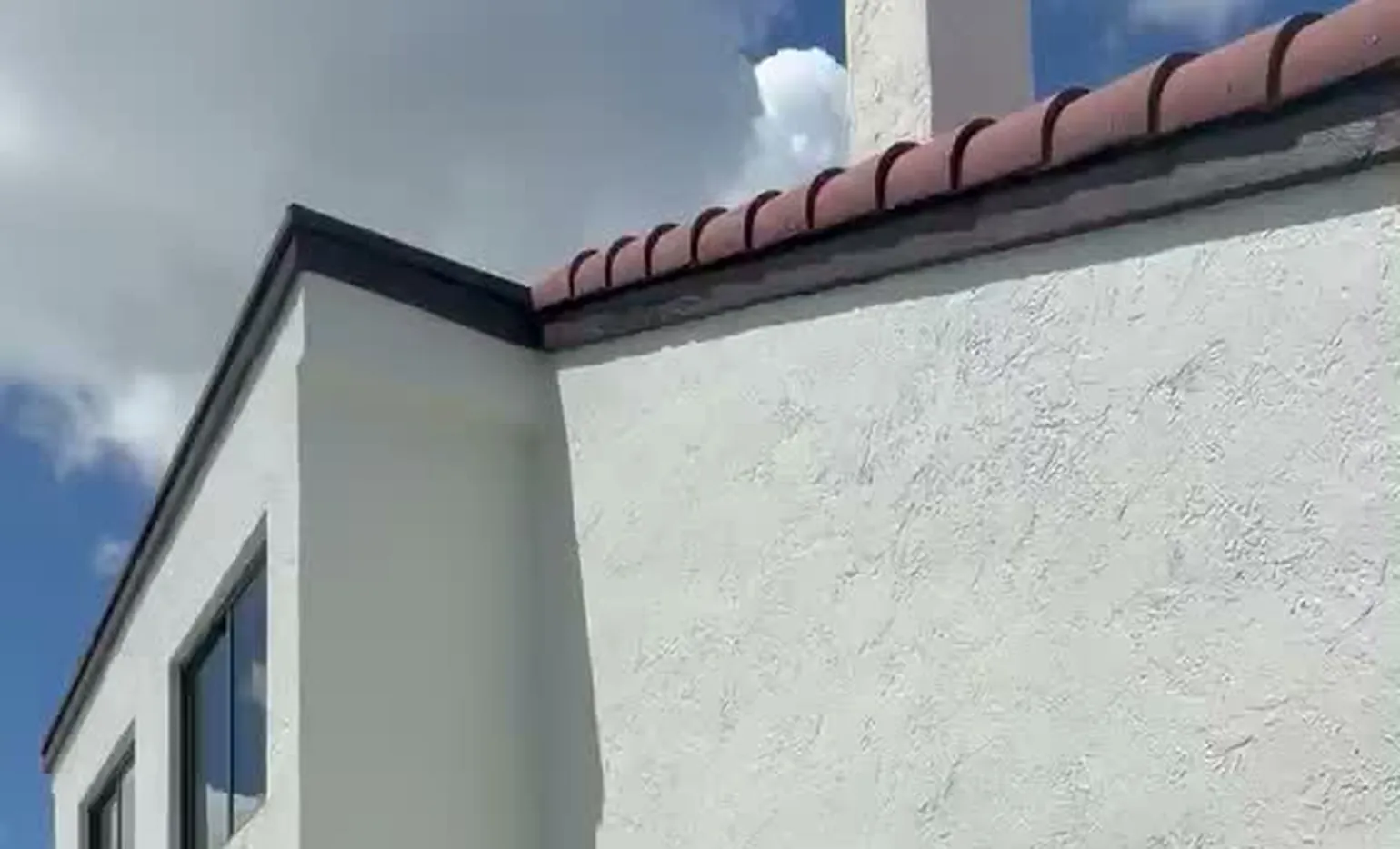
- Exterior Painting
-
GXG Remodeling

-
18 Sep 2026
How Much Does Exterior Painting Cost in Homestead, FL?
Exterior painting quotes on South Florida homes swing more on stucco condition than almost anything else. This guide breaks down real cost ranges for the stucco homes common around Homestead, so you know what to expect before anyone shows up to quote.
Typical Cost Range
Most Homestead-area exterior repaints (stucco)
$3,500 to $8,000
A smaller home in good condition can come in under $4,000. Extensive stucco crack repair or a two-story home can push it past $8,000.
Cost by Home Size
Exterior square footage sets the baseline, before stucco condition adjusts it up or down.
Small (under 1,500 sq ft)$3,000 to $5,000
Mid-size (1,500 to 2,500 sq ft)$4,500 to $7,000
Large (2,500+ sq ft, two-story)$6,500 to $10,000+
These ranges are general industry ballparks, shown for education only, not a GXG quote. Every project is custom, so your real price comes from a free estimate.
Cost by Category
Here's roughly where the budget goes on a standard stucco repaint.
Pressure washing$200 to $450
Stucco crack repair (if needed)$300 to $1,500+
Masonry primer$400 to $900
Two-coat topcoat, labor & material$2,500 to $5,500
Trim, soffit & fascia$400 to $1,200
How This Compares to Online Averages
You will see lower numbers online. As typical reported ranges, a Miami home-services blog (Miami Home Service, May 2026) cites roughly $1,800 to $4,500 for a standard single-family exterior, and a painting-company breakdown (Paint Premium, March 2026) cites HomeAdvisor national data of roughly $1,800 to $4,400 for a single-story exterior. Those figures are averages that include smooth siding and light prep. Stucco with crack repair, mildew treatment and masonry primer is a bigger job, which is why a local stucco quote often sits above them. If a bid comes in far below everything else, ask what was left out of the prep.
Why Stucco Costs More Than Other Siding
Stucco is textured and porous, so it absorbs more paint per square foot than smooth siding, and it usually needs crack repair and a masonry-specific primer before the topcoat goes on. That combination is why stucco homes typically cost noticeably more to paint than a comparable vinyl-sided house elsewhere in the country. Many Homestead homes are concrete block with a stucco finish, and the same rules apply to bare block: it is porous, it wicks moisture, and it needs a block filler or masonry primer so the topcoat does not soak in unevenly.
Hairline vs Structural Cracks
Not every crack is a paint problem. As a rule of thumb used by many painters and stucco contractors, hairline cracks (thin enough that a fingernail barely catches, commonly under about 1/16 inch) are shrinkage or thermal cracks. They are filled with an elastomeric patch or caulk, allowed to cure, then primed and painted. Wider cracks, cracks that run diagonally from window and door corners in a stair-step pattern, cracks that keep growing, or stucco that sounds hollow when tapped can signal settling, a failed bond, or water behind the wall. Those need a stucco repair or a structural opinion first. Painting over them hides the problem for a season and then the crack returns through the paint.
- Hairline and map cracking: fill, cure, prime, paint
- Cracks wider than about 1/16 inch: patch with a proper stucco or elastomeric patching compound, not just paint
- Stair-step, growing or hollow-sounding areas: have the cause identified before painting
- New stucco patches: let them cure and neutralize before coating, since fresh cement is highly alkaline (many manufacturers say about 28 days)
Elastomeric vs Acrylic Masonry Paint
Both are legitimate choices, and the right one depends on the wall. A 100 percent acrylic masonry paint is the common workhorse for sound stucco: it breathes, which lets water vapor escape from the wall instead of blistering the film. Elastomeric coatings are much thicker and stretch, so they can bridge hairline cracks and shed wind-driven rain, but they are less breathable. Over a wall with a hidden moisture problem, a thick low-permeability coating can hold water against the stucco and make blistering and peeling worse. Other details to ask about: a masonry or alkali-resistant primer on bare or patched areas, a chalking test (rub a dark cloth on the wall; heavy white residue means the old paint is chalking and needs washing and the right primer), and efflorescence, the white salty powder that comes from moisture moving through masonry. Efflorescence has to be cleaned off and its moisture source corrected, because paint will not hold over it.
Mildew, Algae and Why Prep Sets the Price
In South Florida humidity, most stucco has some mildew or algae, usually as black, green or gray streaking on shaded and north-facing walls. Painting over it lets it grow through the new paint, and the coating can peel with it. Good prep is washing the surface (low-pressure rinse or soft wash; high pressure can damage stucco and force water in), treating the growth with a mildew-killing wash, rinsing, and letting the wall dry before priming. Chalky or failing old paint is removed or sealed with the proper primer. This is where quotes differ most: a painter who washes, treats, repairs and primes is charging for labor that a painter who simply rolls on two coats is not. Skipped prep is a common reason fresh paint peels within a couple of years, which is why prep is usually worth paying for rather than negotiating away.
Find the Moisture Source First
Paint is a finish, not a leak repair. Before any coating goes on, look for why the wall was staining or peeling in the first place. Common South Florida sources are a roof or flashing leak that runs down the wall, gutters or downspouts that dump against stucco, sprinklers that spray the wall, failed window or door caulk, cracks around penetrations, and plumbing or air-conditioning condensate lines. Streaks that start below a roof edge, a window or a hose bib point to a specific source. If moisture is the cause, fix it, let the wall dry, then paint. If you paint first, the leak will push the new coating off.
What Actually Drives the Price
- Stucco condition: cracks, hollow spots and prior peeling add real prep time
- Square footage of wall area, not just floor area: tall walls and gables add more than the floor plan suggests
- Home height: a two-story home needs staging or lifts, which slows the job, and steep or high roof lines make soffit and fascia access harder
- Mildew and chalking: heavy growth needs a treatment step and sometimes a second wash
- Color change: a big jump in color, like white to a dark tone, often needs an extra coat
- Paint quality and coating type: a higher-grade exterior paint costs more upfront but holds up longer against South Florida sun and humidity
- Repairs found along the way: rotted fascia, damaged soffit or failed caulk that has to be fixed before painting
- Obstacles: landscaping, screen enclosures, pool cages and tight side yards slow masking and access
What Is Included in the Scope
Quotes are only comparable when they cover the same surfaces. Confirm each of these in writing:
- Walls: stucco or block, including gables and any detached structures
- Trim, window and door frames, soffit and fascia
- Garage door and entry doors (sometimes priced separately)
- Screen enclosure or pool cage frames, which need specific prep and coatings, often a separate line
- Gutters, downspouts, railings, shutters and accent features
- Pressure or soft washing, mildew treatment, crack and caulk repair, and primer
- Masking, protection of landscaping and cleanup
- Number of coats, product name and the color change, if any
A Worked Example
This is an illustration of how the line items stack up, not a quote. Take a one-story, mid-size stucco home with moderate hairline cracking, light mildew, and a standard color refresh. Using the category ranges above, a plausible build-up is: pressure washing about $300, crack repair about $600, masonry primer about $600, two-coat topcoat labor and material about $3,400, and trim, soffit and fascia about $700. That totals roughly $5,600, which sits inside the mid-size range of $4,500 to $7,000. Now change the inputs: a second story with roof-line access, heavy cracking, and a dark color change could push repair, labor and coats up and move the same house past the top of the range. The structure of the quote matters more than the total, so ask for it broken out like this.
Rainy Season, Hurricane Season and Dry Times
South Florida has a wet season, roughly late spring through fall, that overlaps hurricane season (June 1 to November 30). Painting can happen then, but plan for delays. General guidance from paint makers and painters: do not coat a wet wall; masonry and stucco commonly need 24 to 72 hours of dry weather after rain, and a moisture reading is better than a guess; the surface temperature should stay several degrees (a commonly cited figure is at least 5 degrees F) above the dew point so moisture does not form on the film; and rain soon after application can wash out or streak fresh paint. The drier months, roughly November through April, are the more predictable window, and good painters book up in that season, so ask early. Ask any painter how they handle a storm warning, including securing ladders, scaffolding and materials, and what happens to the schedule after a tropical system.
Salt matters too. Homes near the coast or the bay see salt on the wall, which can interfere with adhesion if it is not rinsed off, and stronger sun and wind that fade and chalk paint faster. Dark colors and reds fade fastest in direct sun. Rinsing thoroughly and choosing a quality exterior-grade paint helps.
How Long Exterior Paint Lasts
Be skeptical of any single number. Painting-company sources for Florida commonly report about 5 to 8 years for stucco, up to 7 to 10 years with quality paint and good prep, and as little as 4 to 6 years for coastal, windy or high-sun homes (sources such as Sunshine Painting FL, EFC Contractors and Colorworx Painting publish ranges like these). What shortens the interval: poor prep, thin or low-grade paint, dark colors, direct afternoon sun, salt exposure, and unresolved moisture. What lengthens it: sound stucco, thorough washing, the right primer, two full coats at the manufacturer's spread rate, and a color in a lighter range. Instead of counting years, check for chalking, fading, widening cracks, and mildew that returns quickly.
HOA Approval, Permits and Timeline
A standard repaint generally does not require a Miami-Dade County permit; confirm with your city if repairs go beyond patching. If you are in an HOA or condominium community, exterior color changes typically need written approval first. Gather the paint manufacturer, color name and number, and where each color goes (body, trim, doors) for the application, and allow time for the board to respond before you schedule. We can help you get that sorted before work starts. Timeline-wise, a standard single-story home usually takes 3 to 6 days; add stucco repair, a color change, or a second story and it can run 1 to 2 weeks, plus weather delays.
How to Compare Quotes and Ask About Warranty
Put three quotes side by side and compare scope, not just price. Questions to ask any painter:
- Is the quote itemized by wash, repair, primer, coats and trim, with the product name and number of coats?
- How will you treat mildew and chalking, and how will you handle cracks and the moisture source?
- What do you do if rain or a storm interrupts the job?
- Is the contractor licensed and insured for this work, and can they provide proof of insurance?
- What does the written warranty cover, how long does it last, and what voids it? Warranties on peeling or blistering are only as good as the prep, so get terms in writing.
- How are change orders handled if hidden damage is found, and what is the deposit and payment schedule?
- Who will be on site, and who is the point of contact?
A cheaper bid that leaves out washing, priming or repairs is not really cheaper. Compare what is being done to the wall, then the price.
Frequently Asked Questions
How much does exterior painting cost in Homestead, FL?
As a general industry ballpark, not a GXG quote, most exterior repaints on a stucco home run between $3,500 and $8,000, depending on square footage, stucco condition, and how much crack repair is needed before painting starts. A smaller home in good condition can come in under $4,000. Online averages are often lower because they assume a smooth, sound surface with little prep.
How much to paint a 1,500 sq ft stucco house exterior?
As a general industry ballpark, not a GXG quote, using the size table above, a mid-size home in the 1,500 to 2,500 sq ft range typically lands between $4,500 and $7,000, and a smaller home under 1,500 sq ft between $3,000 and $5,000. The spread comes mostly from crack repair, mildew treatment, the number of stories, and whether trim, soffit, fascia and the garage are included. A written, itemized quote after an in-person look is the only number worth planning around.
Is it more expensive to paint a stucco house?
Generally yes. Stucco is textured and porous, so it absorbs more paint per square foot than smooth siding, and it usually needs crack repair, washing and a masonry primer first. That prep is a large share of the price.
Is painting over stucco a good idea?
Yes, when the stucco is sound and dry. Paint protects the surface from water and sun. It is a poor idea when there is an active leak, moisture coming from inside the wall, loose or hollow-sounding stucco, or structural cracks, because paint will not fix those and can trap moisture against the wall.
What are the downsides of painting stucco?
Once stucco is painted it needs repainting on a cycle for the life of the home, paint can hide cracks that should have been repaired, and a low-breathability coating over a wall with a moisture problem can blister or peel. Choosing the right coating and fixing the moisture source first avoids most of these problems.
How often should a stucco house in Florida be painted?
Painters and coating contractors commonly report 5 to 10 years for Florida stucco, with the shorter end for coastal, windy or high-sun exposure and the longer end for sheltered walls painted with quality paint over good prep. Treat the age as a guide and let the condition decide: chalking, fading, hairline cracks opening up, or mildew that returns quickly are the signs it is time.
What is the best paint for stucco in South Florida?
For sound stucco with light hairline cracking, a high-quality 100 percent acrylic masonry paint over a masonry primer is the common choice because it breathes. Elastomeric coatings are thicker and can bridge hairline cracks, but they are less breathable, so they suit walls that are dry and well sealed. Ask any painter which product, how many coats and what mil thickness they plan to apply.
Does my stucco need repair before painting?
Often, yes, especially on an older home. Hairline cracks are common in South Florida stucco and need to be filled and cured before painting, which can add one to several weeks to the timeline depending on how much repair is needed. Wider, stair-step or growing cracks can point to a structural cause and should be looked at before any paint goes on.
What is the best time of year to paint a house exterior in Homestead?
The drier months, roughly November through April, give the most reliable painting weather. The rainy season (June through November) and hurricane season can still work, but expect weather delays because walls must be fully dry and surface temperature must stay above the dew point before coating.
Do I need a permit to paint the exterior of my house in Miami-Dade County?
A straightforward repaint generally does not require a county permit, but confirm with your city or building department if repairs go beyond patching. If your home is in an HOA community, you may need color approval before work starts, and we can help you navigate that.
How long does exterior painting take?
A standard single-story home usually takes 3 to 6 days. Add stucco crack repair, a color change requiring extra coats, or a two-story home, and it can run 1 to 2 weeks. Rain delays and cure times for repairs come on top of that.
A national cost calculator doesn't know your stucco's condition or how much sun your walls actually take. The only estimate worth planning around is one written after someone has looked at your exterior in person. Planning interior work too? See our interior painting cost guide, or if you are updating textured ceilings, our popcorn ceiling removal guide. See our exterior painting work or call (786) 724-5571 for a written, no-obligation estimate.
Replacing windows too? Read the impact window cost guide first, since paint comes after.

Our testimonials say
What Homestead Homeowners
Are Saying
5.0 out of 5, based on 10 reviews
"GXG Remodeling repainted our whole exterior and it held up perfectly through the first rainy season. Clean job site, showed up on time every day."


"We had our kitchen cabinets painted instead of replaced and they look brand new. Saved us thousands and the crew was professional start to finish."

"Fast, honest, and the price matched the written estimate exactly. Would call GXG again for our next project."

"Professional from the first call to the final walkthrough. Our home looks brand new."
"Great communication throughout the whole project and the crew cleaned up every day before leaving."
"Would recommend GXG to anyone in Homestead looking for quality work at a fair price."