
How Much Does Interior Painting Cost in Homestead, FL?
Excellent on 
★ 5.0 out of 5 based on 10 reviews
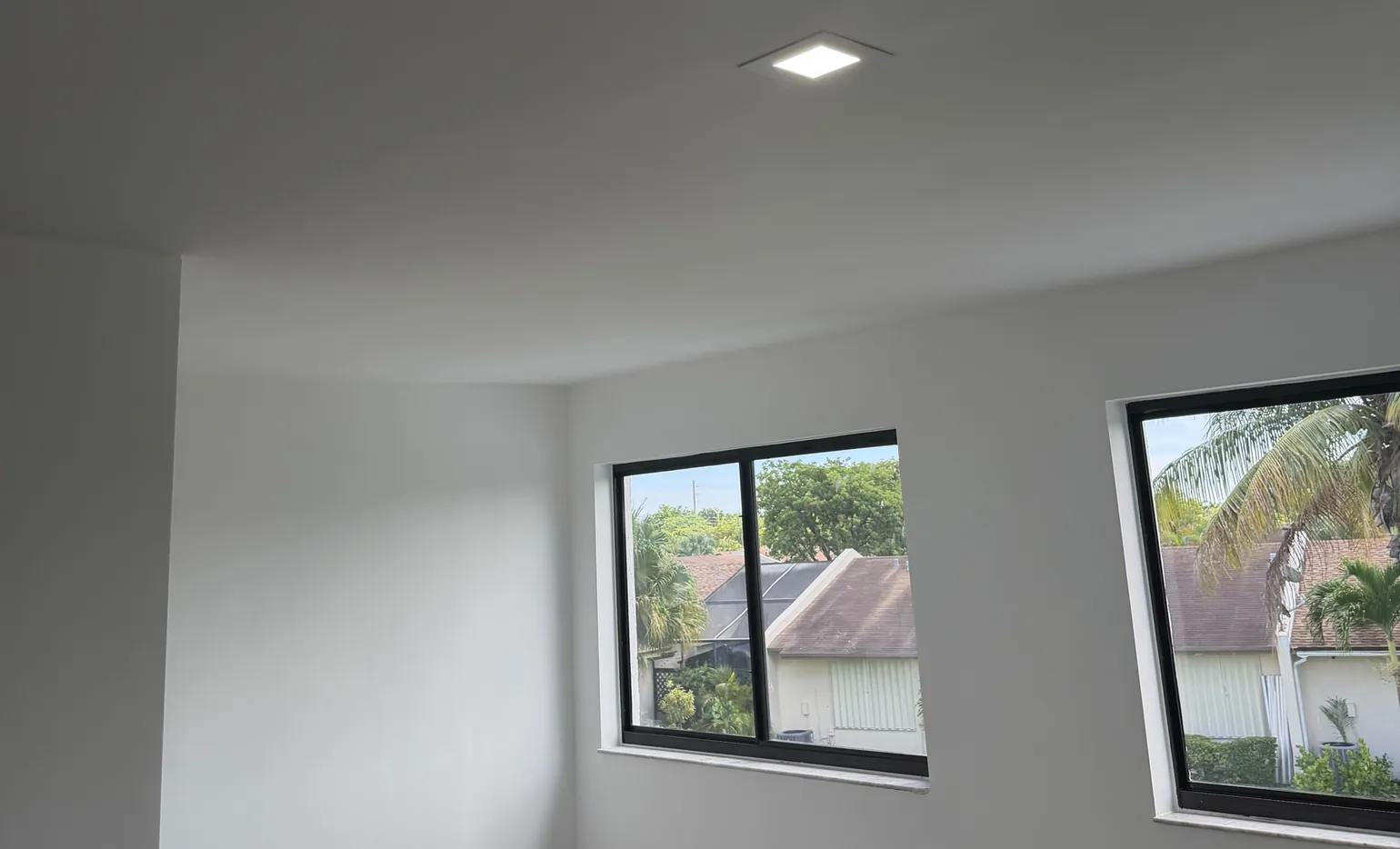
- Interior Painting
-
GXG Remodeling

-
14 Sep 2026
How Much Does Interior Painting Cost in Homestead, FL?
Interior painting quotes vary more than most homeowners expect, mostly because of wall condition and ceiling height rather than paint choice. This guide breaks down real cost ranges by room and by house size, based on South Florida market ranges, so you have a number to plan around. It also covers the South Florida factors national calculators miss, what a quote should include, and how to compare three bids.
Typical Cost Range
General Industry Ballpark
$2,000 to $6,500
A single room can come in under $900. A full home with trim, doors, and ceilings included runs toward the higher end. The ranges below break down why.
Cost by Room
Per-room pricing depends on size, but here's a realistic range for standard rooms.
Bedroom (walls only)$350 to $700
Living room (walls only)$500 to $1,100
Kitchen (walls, cabinets excluded)$400 to $900
Bathroom$250 to $600
Hallway & stairwell$300 to $800
These ranges are general industry ballparks, shown for education only, not a GXG quote. Every project is custom, so your real price comes from a free estimate.
Kitchen cabinets are priced separately from the walls since it's a different scope and finish. See our guide to cabinet refacing vs. painting if cabinets are part of your project too.
Cost by Scope
Whole-home pricing usually breaks into these tiers, roughly on top of a typical three-bedroom Homestead-area home.
Walls only$2,000 to $3,200
Walls + ceilings$2,800 to $4,200
Walls + trim + doors + ceilings$3,800 to $6,500
Trim and doors take longer per square foot than open wall space because of the cutting-in and multiple coats involved, which is why adding them moves the total more than square footage alone would suggest.
What Actually Drives the Price
Labor makes up the large majority of an interior painting bill, so these factors move the number more than paint brand ever will:
- Wall condition: patching, sanding, and stain-blocking primer add time before the first coat
- Ceiling height: vaulted or high ceilings need staging and slow down every coat
- Color change: going from a dark color to a light one, or vice versa, usually needs an extra coat
- How much furniture has to be moved and protected
Bathrooms, laundry rooms and other poorly ventilated spaces see more humidity here than in a drier climate, which can lead to peeling or mildew if the wrong paint goes on. We use paint rated for high-humidity rooms in those spaces rather than the same product throughout the house.
South Florida Cost Factors
Several things push local quotes away from national averages. National calculators such as Angi report typical interior painting at roughly $2 to $6 per square foot; treat that as a reported national range, not a Homestead quote. These are the local reasons a real quote moves:
- Humidity and mildew prep: bathrooms, laundry rooms, closets and walls near AC vents can carry mildew or surface moisture. Mildew has to be cleaned and the cause (poor ventilation, a leak) dealt with before paint, or it comes back through the new coat. That cleaning and priming is labor.
- Textured walls and popcorn ceilings: heavy texture takes more paint and slower rolling than smooth walls, and popcorn ceilings are hard to repaint without shedding. If you are thinking about removing it, see our popcorn ceiling removal cost guide before you paint over it.
- Stairwells and high ceilings: two-story foyers and stairwells need ladders, scaffolding or extension gear, and every coat takes longer. A small stairwell can cost more than a bedroom for that reason.
- Wall repairs: cracks, nail pops, dings and patched areas must be fixed and sanded before painting. Larger repairs are drywall work; see our drywall repair cost guide.
- Condo and HOA rules: many buildings limit work hours, require elevator reservations or protection, and may need a certificate of insurance or an approval form before work starts. Ask your association for its rules first, because they affect scheduling and sometimes price.
Worked Example: Three-Bedroom Home
Take a typical three-bedroom Homestead-area house with smooth walls, standard 8 foot ceilings and walls in decent shape. Using the tiers above, repainting walls only lands around $2,000 to $3,200. Adding ceilings moves it to $2,800 to $4,200. Adding trim and doors as well moves it to $3,800 to $6,500. The exact point inside each range depends on things like a dark to light color change, heavy furniture, and how much patching the walls need.
Now change the house: add textured walls, a two-story entry, and ceiling stains that need sealing, and the same square footage will price toward the top of its range or above it. The point of the example is that the same floor plan can get very different quotes, so compare scope, not only the total.
What Is Included and Excluded
Exact inclusions vary by painter, so confirm them in writing. A clear interior quote usually spells out:
- Usually included: moving and covering furniture, floor protection, minor patching and sanding, caulking gaps, priming bare spots, two coats of paint on listed surfaces, and cleanup
- Often priced separately: ceilings, trim, doors, closets, garages, cabinets, wallpaper removal, popcorn ceiling removal, and drywall or water damage repairs
- Ask about: how many coats, whether primer is a separate line, which rooms and surfaces are listed, and how extra work found after the walk-through is handled (a change order)
Repairs beyond cosmetic patching are a different job from painting. If you have a leak or damaged drywall, see our water damage repair page.
Coats and Sheen by Room
Two finish coats over a properly prepped surface is the normal standard, and one coat commonly shows roller marks and uneven coverage, especially after a color change. Bare patches, stains and big color changes may also need primer first. Sheen is a separate choice, and these are common general guidelines:
CeilingsFlat, which hides flaws
Bedrooms and living areasFlat or matte, or eggshell for easier cleaning
Kitchens and bathroomsSatin or semi-gloss, which wipe clean and resist moisture better
Trim and doorsSemi-gloss, which stands up to scuffs and cleaning
Hallways and kids' roomsEggshell or satin for washability
Higher sheens show wall imperfections more, which is another reason prep matters.
Ceiling Water Stains and Stain-Blocking Primer
Ordinary paint does not cover a water stain for long. The stain can bleed through the topcoat, sometimes within days or weeks. Paint manufacturers such as Sherwin-Williams describe the same sequence: stop the source, let the area dry, clean it, apply a stain-blocking primer, then repaint.
- Fix the leak first. Painting over an active leak wastes the money, and the stain returns.
- Make sure the area is fully dry. A soft, sagging or moldy ceiling is a repair job, not a paint job, and a ceiling that is sagging can be unsafe to stand under.
- Seal the stain with a stain-blocking primer before the finish coat. Spot-priming can leave a visible patch, so painters often repaint the whole ceiling plane for an even look.
- If the drywall or its texture was damaged, repair and match the texture before priming. See our water damage repair page and drywall repair cost guide.
Color Samples and Mismatch
Color regret is one of the most common complaints in painting. Light in South Florida is strong and changes through the day, so a small chip can mislead. Put sample patches or sample boards on a couple of walls and look at them in morning, afternoon and evening light, with the lights you use at night. If you are touching up an existing wall, remember old paint fades and a fresh batch of the same color can look slightly different, so painters usually repaint a whole wall corner to corner. Ask your painter how many sample colors are included and who decides when the color is final.
Mess and Furniture Protection
Sanding and patching create fine dust, and painting puts drips and splatter at risk. Ask what the crew does for furniture (moved to the room center and covered, or moved out), floors (drop cloths or protective film), and cleanup (dust wiped, tape and plastic removed). For homes built before 1978, ask whether the painter follows the EPA lead-safe work practices rule, since sanding old paint can release lead dust. Tell the painter about pets, children and fragile items before the start date.
How to Compare Three Painting Quotes
- Same scope: make sure each quote lists the same rooms, ceilings, trim, doors and closets
- Same coats and primer: a quote that skips primer or uses one coat is not an equal comparison
- Paint line and sheen: ask for the product and the sheen for each surface, not just a brand mention
- Prep detail: patching, sanding, caulking, mildew cleaning and stain sealing should be named
- Protection and cleanup: furniture, floors and daily cleanup included or not
- Change orders: how added work is priced and approved in writing before it happens
- Insurance and license: ask any painter for proof of liability insurance and the business license, and verify them yourself
- Payment schedule and timeline: be careful with large deposits, and ask for start and finish dates in writing
The lowest number usually means something was left out. A written, itemized quote after an in-person walk-through is the only one worth comparing.
Scheduling in Humidity
Interior paint still needs the air to dry it. During the wet season, high humidity and closed-up houses can slow drying and recoat times, and glossier finishes in damp rooms can stay tacky longer. Good general practice is to run the AC and ventilation, keep exhaust fans working in bathrooms, and not rush the second coat. Ask your painter how they handle drying time on humid days and what the plan is if a storm forecast affects the schedule. Cooler, drier months are often easier for drying, but a good crew can work year-round.
Permits & Timeline
Interior painting is cosmetic work and doesn't require a permit in Miami-Dade County. A single room usually takes a day, and a full three-bedroom home typically runs 3 to 5 days depending on wall condition and how much trim work is included. Condos and HOA buildings may add their own approval and work-hour rules, so check with your association.
Frequently Asked Questions
How much does interior painting cost in Homestead, FL?
As a general market ballpark, not a GXG quote, interior painting jobs commonly fall between $2,000 and $6,500, depending on square footage, ceiling height, and how many rooms are involved. A single room typically runs $350 to $900. A full three-bedroom home usually lands in the $3,000 to $5,500 range.
How much does it cost to paint per square foot?
As a general industry ballpark, not a GXG quote, walls alone typically run $2 to $3 per square foot of floor area. Add trim and ceilings and that climbs to roughly $4 to $5 per square foot, since each surface adds its own prep and cut-in time.
What drives the price of interior painting more than the paint itself?
Labor, not paint. Labor makes up the large majority of an interior painting bill, so wall condition, ceiling height, and how much furniture and trim have to be worked around matter more than which paint brand you choose.
Do I need a permit to paint the interior of my house in Miami-Dade County?
No. Interior painting is cosmetic work and doesn't require a permit under Miami-Dade County code, regardless of how many rooms are involved.
How long does it take to paint the interior of a house?
A single room usually takes a day. A full three-bedroom home typically takes 3 to 5 days depending on wall condition, ceiling height, and whether trim and doors are included.
Does humidity affect interior painting in South Florida?
It can, especially in rooms with poor ventilation like bathrooms. We use paint rated for high-humidity environments in those rooms and time the job around drying conditions so it holds up.
How many coats of paint does an interior wall need?
Two finish coats is the usual standard for even coverage. Bare patches, stains, or a big color change may also need primer first. One coat often shows roller marks and uneven color.
What sheen should I use in each room?
Common guidance is flat for ceilings, flat or eggshell for bedrooms and living areas, satin or semi-gloss for kitchens and bathrooms, and semi-gloss for trim and doors. Higher sheens show wall flaws more.
Can I just paint over a water stain on my ceiling?
Not with ordinary paint, since the stain can bleed through. The leak has to be fixed and the area fully dry, then sealed with a stain-blocking primer before the finish coat. A sagging or soft ceiling needs repair first. See our water damage repair page.
Does popcorn ceiling or textured wall change the painting cost?
Yes. Heavy texture takes more paint and labor, and popcorn ceilings are tricky to repaint. If you are considering removal, read our popcorn ceiling removal guide first.
Should painting quotes include drywall repair?
Minor patching usually is part of prep, but larger drywall repairs are often a separate line. Ask for it itemized. See our drywall repair cost guide.
How do I compare painting quotes?
Compare the same scope, coats, primer, paint line and sheen, prep detail, furniture and floor protection, and change-order terms. Ask for proof of insurance and license from any painter. A quote written after an in-person walk-through is the only one worth comparing.
National calculators are built on national labor averages, not your walls or your ceiling height. The only estimate worth planning around is one written after someone has actually walked your rooms. See our interior painting work or call (786) 724-5571 for a written, no-obligation estimate.

Our testimonials say
What Homestead Homeowners
Are Saying
5.0 out of 5, based on 10 reviews
"GXG Remodeling repainted our whole exterior and it held up perfectly through the first rainy season. Clean job site, showed up on time every day."


"We had our kitchen cabinets painted instead of replaced and they look brand new. Saved us thousands and the crew was professional start to finish."

"Fast, honest, and the price matched the written estimate exactly. Would call GXG again for our next project."

"Professional from the first call to the final walkthrough. Our home looks brand new."
"Great communication throughout the whole project and the crew cleaned up every day before leaving."
"Would recommend GXG to anyone in Homestead looking for quality work at a fair price."