
Water Damage Repair in Homestead, FL: What Happens After the Dry-Out
Excellent on 
★ 5.0 out of 5 based on 10 reviews
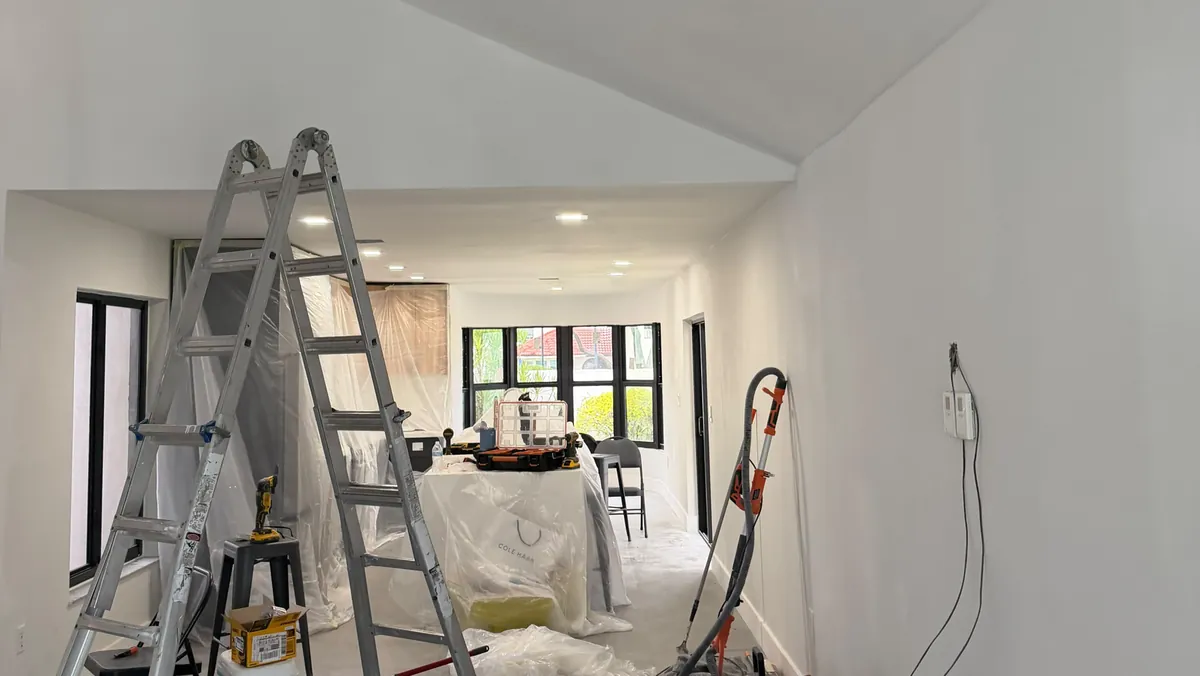
- Water Damage Repair
-
GXG Remodeling

-
10 Nov 2026
How Water Damage Repair Works in Homestead, FL: What Happens After the Dry-Out
Water damage is two jobs, and the order matters. First the leak is stopped and the building is dried out by a mitigation company. Only after that does the repair begin: cutting out what cannot be saved, replacing insulation and drywall, then baseboards, flooring and paint. This guide covers that second job for South Miami-Dade homes, so you know what to expect once the equipment leaves.
The Order of Work: Dry Out First, Then Repair
Skipping ahead is the most common and most expensive mistake. New drywall closed over a damp cavity can grow mold and fail again. The sequence below is the general order most jobs follow, though your adjuster, mitigation company and contractor set the specifics for your house.
- 1. Stop the sourceShut off the water at the main, or get the roof tarped. Nothing else counts until the water stops.
- 2. Document everythingTake dated photos and video before anything is moved or removed, and keep receipts.
- 3. MitigationWater extraction, removal of wet materials, and drying with air movers and dehumidifiers, with moisture readings taken as it goes.
- 4. Confirm dryMoisture readings on framing and drywall come back normal compared with an unaffected area.
- 5. RebuildInsulation, drywall, texture, then baseboards, flooring and cabinets if affected.
- 6. Prime and paintStain-blocking primer on repaired areas, then finish paint on full wall or ceiling planes.
Who Does What: Mitigation, Repair and the Insurer
These are general roles, and your contract and policy control the details. A mitigation company handles the emergency: extraction, drying equipment, and often the demolition of wet materials. A remodeler or painter handles the rebuild after the structure is dry. Your insurer decides what the policy covers, and an adjuster writes a scope of work that you can compare with a contractor's estimate.
- Plumber, roofer or AC technicianFinds and fixes the source. See our ceiling water stain guide for how sources are diagnosed.
- Mitigation companyExtracts water, removes wet materials, dries the structure and documents moisture readings.
- Mold professionalMold assessment and remediation are licensed services in Florida, handled by licensed professionals, and not part of a repair estimate.
- Remodeler or painterRebuilds and refinishes once the area is dry. GXG Remodeling repairs and repaints after the leak is fixed and the building is dry, and does not offer mold work or emergency water extraction. See our water damage repair page.
- Insurer or adjusterDecides coverage and writes the scope. Ask for it in writing and share it with each contractor.
How to Know It Is Dry Enough to Repair
Dry to the touch is not dry. Drywall and framing hold moisture inside, and a ceiling can feel fine while the cavity above it is wet. The usual practice is to read moisture levels with a meter and compare them with an unaffected wall in the same house. Ask your mitigation company for its final readings, and ask your repair contractor what reading it treats as dry and how it checks.
Timelines vary. Clean-water drywall commonly dries in about 3 to 5 days with fans and dehumidifiers, and longer without equipment, in humid weather, or when insulation is trapped in a cavity. Our water damage repair page uses the same working range, and a meter reading, not a calendar, should decide.
What Gets Cut Out and What Can Be Saved
The answer depends on how long the material stayed wet and what kind of water it was. The EPA treats sewage and other contaminated water as a case for professionals, and flood or sewage water generally means porous materials are removed and not dried. For clean water, these are the usual calls:
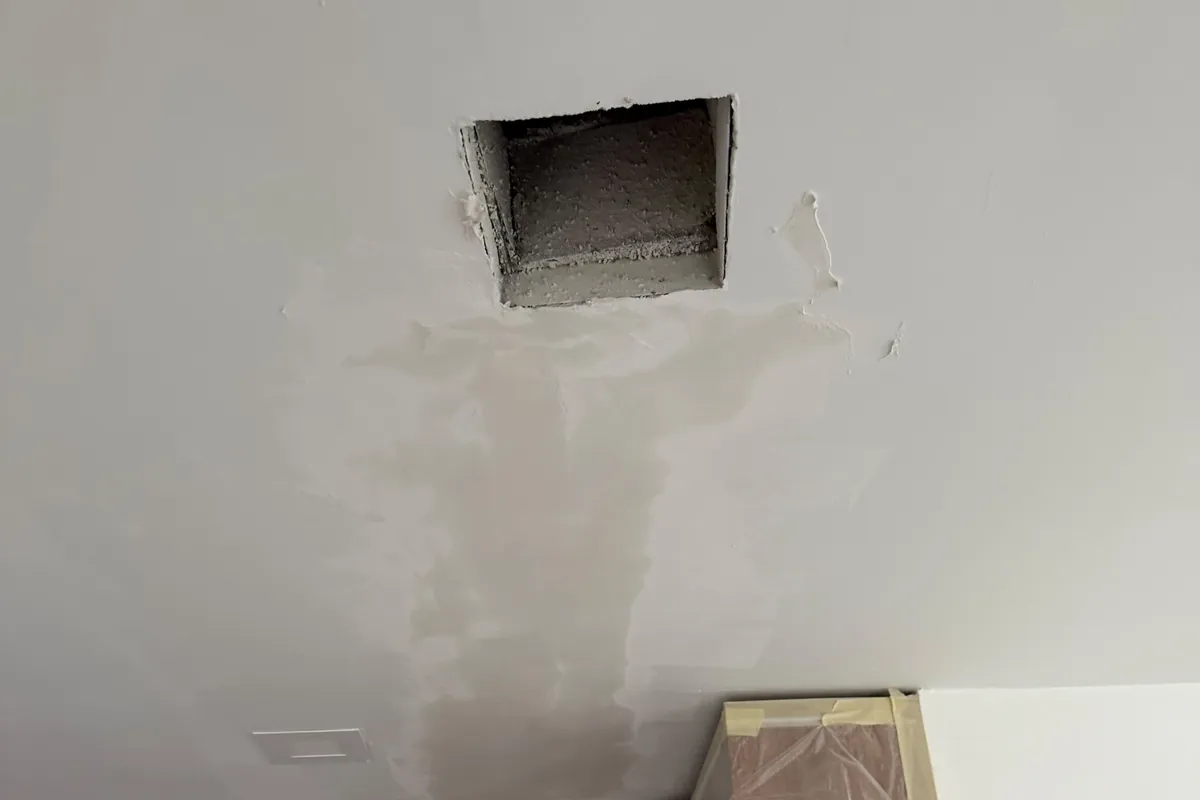
- DrywallFirm, flat board that dried quickly can sometimes be sealed and painted. Soft, swollen, crumbling or stained-and-returning board is cut back to dry, solid material and replaced. See drywall repair and installation.
- InsulationWet insulation above a ceiling or inside a wall is typically replaced before the board is closed. EPA water damage guidance for commercial buildings lists discarding and replacing wet cellulose and fiberglass insulation.
- Baseboards and trimBaseboards that wicked water often swell or stain and are commonly replaced. Pull them to check what is behind them.
- FlooringDepends on material and how the water got in. Laminate and wood can swell, and moisture trapped under any floor is a risk. See flooring installation.
- Cabinet basesWater wicks into the bottom of cabinets. Particleboard swells, so affected bases and toe kicks are inspected and sometimes replaced.
- Textured ceilingsOlder homes may have popcorn texture, and some textures and old flooring products in pre-1980s homes could contain asbestos. Ask about testing before anything is scraped or cut. Asbestos work is a separate licensed specialty.
Mold: What the EPA and CDC Actually Say
Mold is the reason timing matters. The EPA says it is important to dry water-damaged areas and items within 24 to 48 hours to prevent mold growth, and the CDC gives the same 24 to 48 hour window after a flood. The EPA also notes that porous materials such as ceiling tiles and carpet that become moldy may have to be thrown away, because mold can be impossible to remove completely.
On testing, the CDC does not recommend routine mold testing, noting there are no set standards for acceptable mold levels. The EPA says that when mold is visibly present, sampling is usually unnecessary, and that sampling should be done by professionals with specific experience. For small areas, the EPA says homeowners can usually clean up less than about 10 square feet themselves. It points to professional help for a lot of water damage, larger mold areas, sewage or contaminated water, or a possibly contaminated HVAC system. In Florida, mold assessment and remediation are licensed services. If you see or smell mold, stop, and have a licensed professional look before anyone cuts, sands or paints. Paint sold as mold killing is not remediation.
Rebuilding: Drywall, Texture, Paint and Flooring
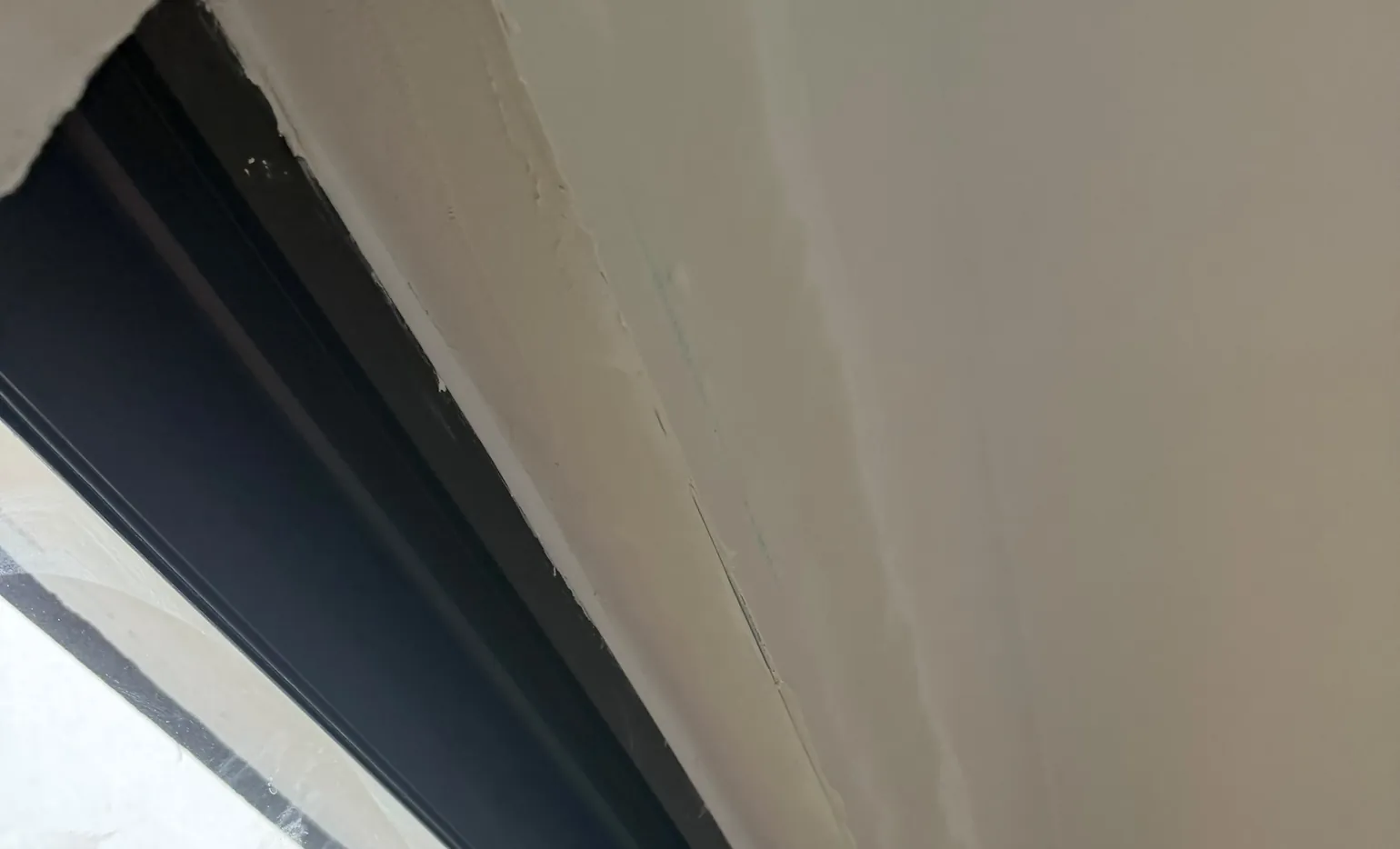
Once the readings are good, the repair itself is straightforward but exacting. A typical drywall repair means cutting back to solid, dry material and framing, installing new board, then taping, mudding and sanding in several coats with drying time between them. Texture matching comes next, whether smooth, knockdown or orange peel, so the patch disappears. Stain-blocking primer goes on, and the whole wall or ceiling plane gets painted, because a patch painted alone often shows as a different shade.
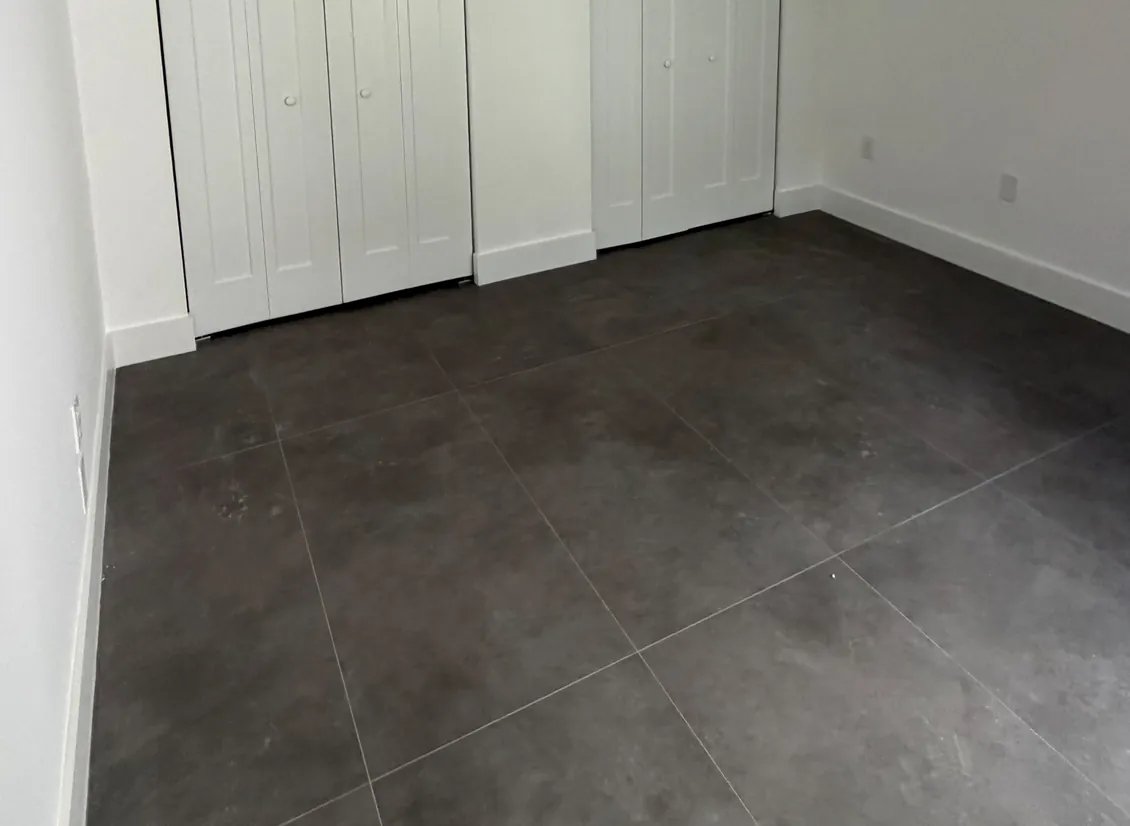
Flooring is last, so new floors are not damaged by drywall dust and paint. If floors were affected, ask whether the slab moisture was checked before new flooring goes down, because moisture trapped under flooring causes failures. Our flooring installation cost guide explains slab moisture testing in detail. Baseboards go back after paint touch up or are painted in place, depending on the job.
What Is Different in South Miami-Dade Homes
Homestead, Cutler Bay, Florida City and the rest of South Dade are mostly concrete block and stucco construction on slab foundations, with heavy humidity that slows drying and feeds mold. A few local points to raise with whoever you hire:
- HumidityDrying takes longer in damp air, and AC running consistently helps. Ask the mitigation company when it is safe to turn equipment off.
- Slab on gradeWater spreads across a slab and wicks into the bottom of walls, baseboards and cabinets. Checking a few feet out from the visible damage is wise.
- Block and stuccoWalls built of block with stucco outside can hold moisture and leak at windows and cracks. If water came in from outside, the entry point has to be fixed first.
- Hurricane season and codeThe Atlantic season runs June 1 to November 30. Miami-Dade is a High Velocity Hurricane Zone, so roof and window repairs follow stricter product and permit rules. Ask the building department what your address needs.
- HOA and condosAssociations may require approval for work, and a leak from an upstairs unit raises questions about who is responsible. Check your association rules and unit owner insurance.
- Flood zonesStandard homeowners policies generally treat flood differently from sudden pipe or roof water. Confirm your coverage with your agent before a claim.
Permits are another local question. Patching existing drywall generally does not need one, while structural framing, roof, plumbing or electrical work can. The city or county building department has the final word on your address.
What Repair Costs and How Long It Takes
Market ballpark, drywall repair for spots or water damage
$285 to $925
A general market estimate, not a quote. Ceilings, insulation, flooring and cabinets are priced separately.
These figures are the general market ballparks used on our service pages. They vary with materials, season and scope, and the only number that counts is a written estimate for your home.
Standard drywall repair, spots or water damage$285 to $925
Ceiling drywall repair, depending on damage$400 to $1,500+
Luxury vinyl tile, installed$2 to $5 per sq ft
Luxury vinyl plank, installed$4.50 to $12 per sq ft
Laminate, installed$3 to $8 per sq ft
Old floor removal and subfloor work$150 to $700 added
These ranges are general industry ballparks, shown for education only, not a GXG quote. Every project is custom, so your real price comes from a free estimate.
Compare these with national guides carefully. Those totals often bundle emergency drying, which is a separate job, so ask every contractor for repair only pricing, itemized. For details see our drywall repair cost guide and the interior painting cost guide.
Timeline depends on scope. A single patched ceiling section is often a matter of days, because joint compound needs drying time between coats, then primer and paint. A multi-room repair with insulation, trim and flooring takes longer, and drying time and material lead times can push dates out, so ask for a written schedule. We cannot promise dates before seeing the damage.
Insurance Paperwork and Hiring Safely
Keep dated photos and video from before any cleanup, receipts for temporary repairs, the plumber or roofer report, and the mitigation company's moisture logs. Florida's Department of Financial Services advises taking photos or video before temporary repairs and keeping receipts, because the insurer may reimburse reasonable temporary repair costs. Under Florida Statute 627.70132, notice of an initial claim is due within one year of the date of loss, and a supplemental claim within 18 months. For policies issued on or after January 1, 2023, assignment of benefits was ended, so a contractor cannot take over your claim.
On hiring, the Florida Department of Business and Professional Regulation warns that unlicensed people often offer low prices, do substandard work and leave jobs unfinished. Ask for the license number, check it on the DBPR website, and ask for proof of insurance. Reports of unlicensed activity can be made to DBPR. Because repair scope and license type can depend on the work, confirm what your job requires with the building department.
Questions to Ask Any Contractor Before You Sign
- Is the source fixed and the area confirmed dry?Ask for moisture readings, and ask what number they treat as dry.
- What exactly is being removed and replaced?Drywall, insulation, trim, flooring and cabinets should each be a line item.
- How do you match the texture?Smooth, knockdown, orange peel and popcorn are each different work.
- Is paint included, and how much gets painted?Painting the full wall or ceiling plane avoids a visible patch.
- Who handles permits?If the building department requires one, ask who pulls it.
- Can you work with my insurer's scope?Share the adjuster's scope and compare line by line.
- What are your license and insurance details?Verify them yourself on the DBPR website.
- What is the schedule and payment plan?Get dates, drying times and deposits in writing.
- What if you find mold or asbestos?A repair contractor should stop and tell you to call a licensed specialist, not work around it.
Frequently Asked Questions
Can drywall recover from water damage?
Sometimes. Firm board that was only briefly wet with clean water, shows no swelling, sagging or crumbling, and reads dry on a moisture meter can often be sealed with stain-blocking primer and repainted. Board that is soft, swollen, crumbling or moldy generally has to be cut out and replaced, and so does board that was soaked by flood or sewage water.
How long does it take for drywall to dry after water damage?
With fans and dehumidifiers running, clean-water drywall commonly dries in about 3 to 5 days, and it takes longer without equipment or in humid weather. The EPA and CDC both advise drying water-damaged areas within 24 to 48 hours to head off mold. Dry to the touch is not the test. A moisture meter reading compared with an unaffected wall is.
How much does it cost to repair water damage in a home?
It depends on how much was wet and whether the quote includes drying. As a general market ballpark, a standard drywall repair project with spots or water damage typically runs about $285 to $925, and ceiling drywall repair about $400 to $1,500 or more. Flooring, insulation, cabinets and mitigation are separate. National guides report much wider totals because they often bundle emergency drying with the rebuild. These are estimates, not quotes, and they vary with materials, scope and season.
Will homeowners insurance pay for water damage?
It depends on your policy and the cause. As we understand Florida policies, sudden and accidental water damage is commonly covered, while long-term seepage and flood are commonly excluded, and flood usually needs its own policy. Under Florida Statute 627.70132, notice of an initial claim is due within one year of the date of loss and a supplemental claim within 18 months. This is general information, not insurance or legal advice, so confirm details with your insurer or agent.
Can you paint over water damage?
Only after the leak is fixed and the material is confirmed dry, and not with ordinary paint, which lets stains bleed back through. A stain-blocking primer comes first. If the drywall is soft, bubbling, sagging or moldy, painting over it hides the problem and is not a repair.
How can I tell if there is mold behind a wall?
You often cannot tell from the surface. Signs include a musty smell, staining that returns, bubbling or peeling paint, and wallboard that stays soft or damp. The CDC does not recommend routine mold testing, and the EPA says sampling is usually unnecessary when mold is visible. If you suspect mold, stop and call a licensed Florida mold assessor before anyone cuts, sands or paints.
Who should I call first for water damage?
Stop the source first: a plumber for a leak or burst pipe, a roofer for a roof leak, an electrician if water reached lights or outlets. Then a water mitigation company for standing water, wet carpet or anything wet for more than a day. A remodeler comes in after the area is dry to rebuild and refinish.
Will a dehumidifier pull moisture out of drywall?
It helps, but it is only part of drying. Mitigation crews pair dehumidifiers with air movers and sometimes open cavities so moisture inside the wall can escape. A household dehumidifier alone in a closed room may leave the wall cavity damp, which is why you want a meter reading before repairs, not a guess.
If the leak is fixed and the area is dry, we are glad to take a look. We repair and repaint drywall and ceilings, and we will give you a written, itemized estimate you can share with your insurer. Call or request a free estimate whenever you are ready, and bring your mitigation company's readings if you have them.
Related reading: water damage repair, ceiling repair and popcorn ceiling removal.

Our testimonials say
What Homestead Homeowners
Are Saying
5.0 out of 5, based on 10 reviews
"GXG Remodeling repainted our whole exterior and it held up perfectly through the first rainy season. Clean job site, showed up on time every day."


"We had our kitchen cabinets painted instead of replaced and they look brand new. Saved us thousands and the crew was professional start to finish."

"Fast, honest, and the price matched the written estimate exactly. Would call GXG again for our next project."

"Professional from the first call to the final walkthrough. Our home looks brand new."
"Great communication throughout the whole project and the crew cleaned up every day before leaving."
"Would recommend GXG to anyone in Homestead looking for quality work at a fair price."